Archive for the ‘ Museus ’ Category

‘Eneias e a Sibila no Mundo Inferior’, de Jan Brueghel, o Jovem

Na passagem dos 420 anos do nascimento de De Jan Brueghel, o Jovem [13 Setembro 1601 – 01 Setembro 1678], a obra “Aeneas and the Sibyl in the Underworld”, dos anos 1630,  inspirada nas paisagens do inferno de Jan Brueghel, o Velho, que por sua vez remetia para a obra de Bosch. O tema pertence a Virgílio, Eneida, Livro VI. »


“Aeneas and the Sibyl in the Underworld”, 1630s –  The Metropolitan Museum of Art, New York.

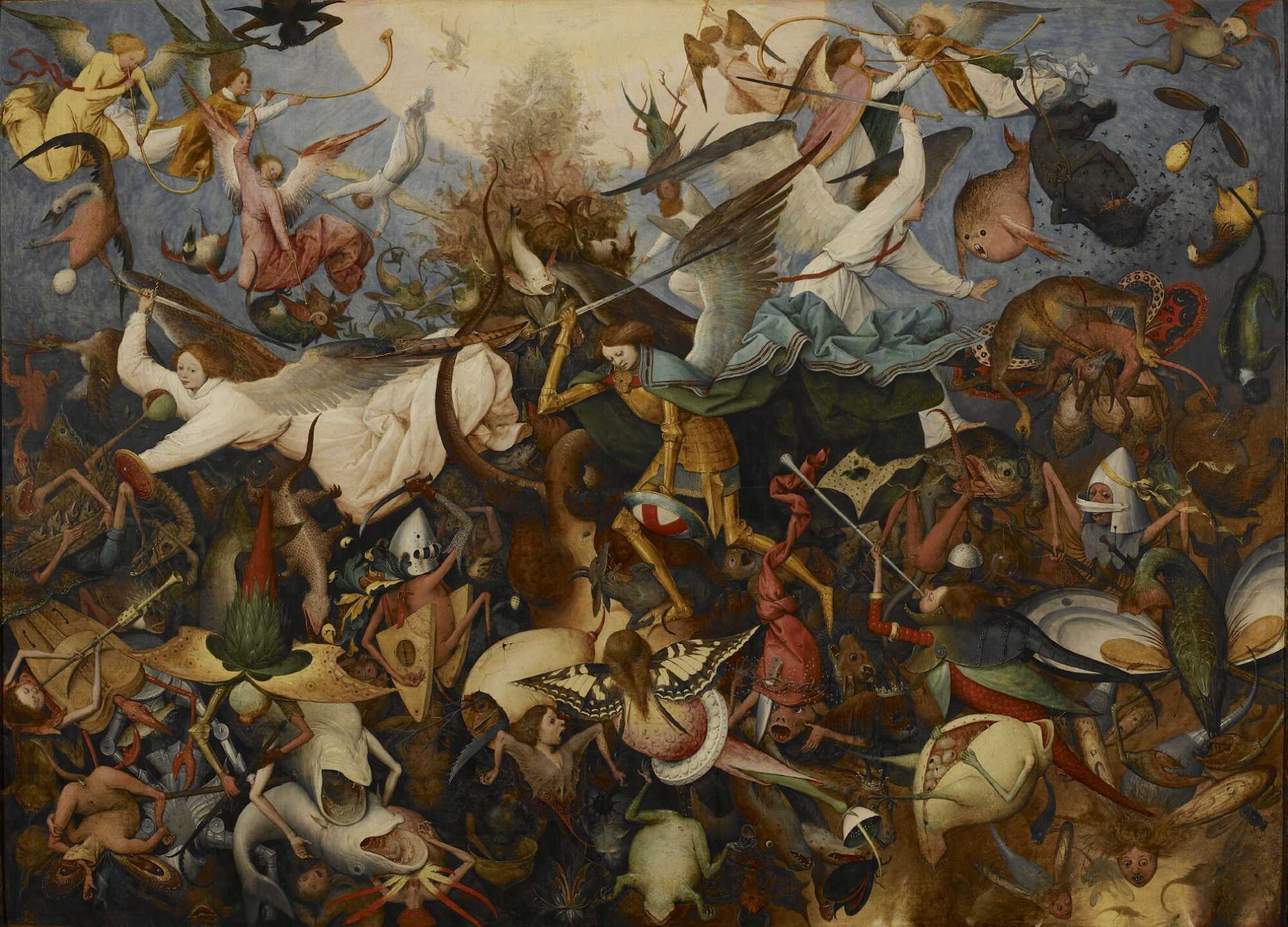
‘A Queda dos Anjos Rebeldes’, de Jan Brueghel, o Velho

Expoente da pintura da Flandres Renascentista, Pieter Brueghel, o Velho [c. 1525 – 9 Setembro 1569] conduz-nos com a obra ‘La chute des anges rebelles’ (1562) numa visita ao universo de Hieronymus Bosch.


‘La tentation de saint Antoine’, de Henri Fantin-Latour (II)

Do pintor francês Henri Fantin-Latour [14 Janeiro 1836 – 25 Agosto 1904], formado na Escola Superior de Belas-Artes de Paris e influenciado pelo movimento do simbolismo, a obra ‘La tentation de saint Antoine’ (não datada) pertence ao The National Museum of Western Art, Tóquio.


https://collection.nmwa.go.jp/en/P.1959-0099.html

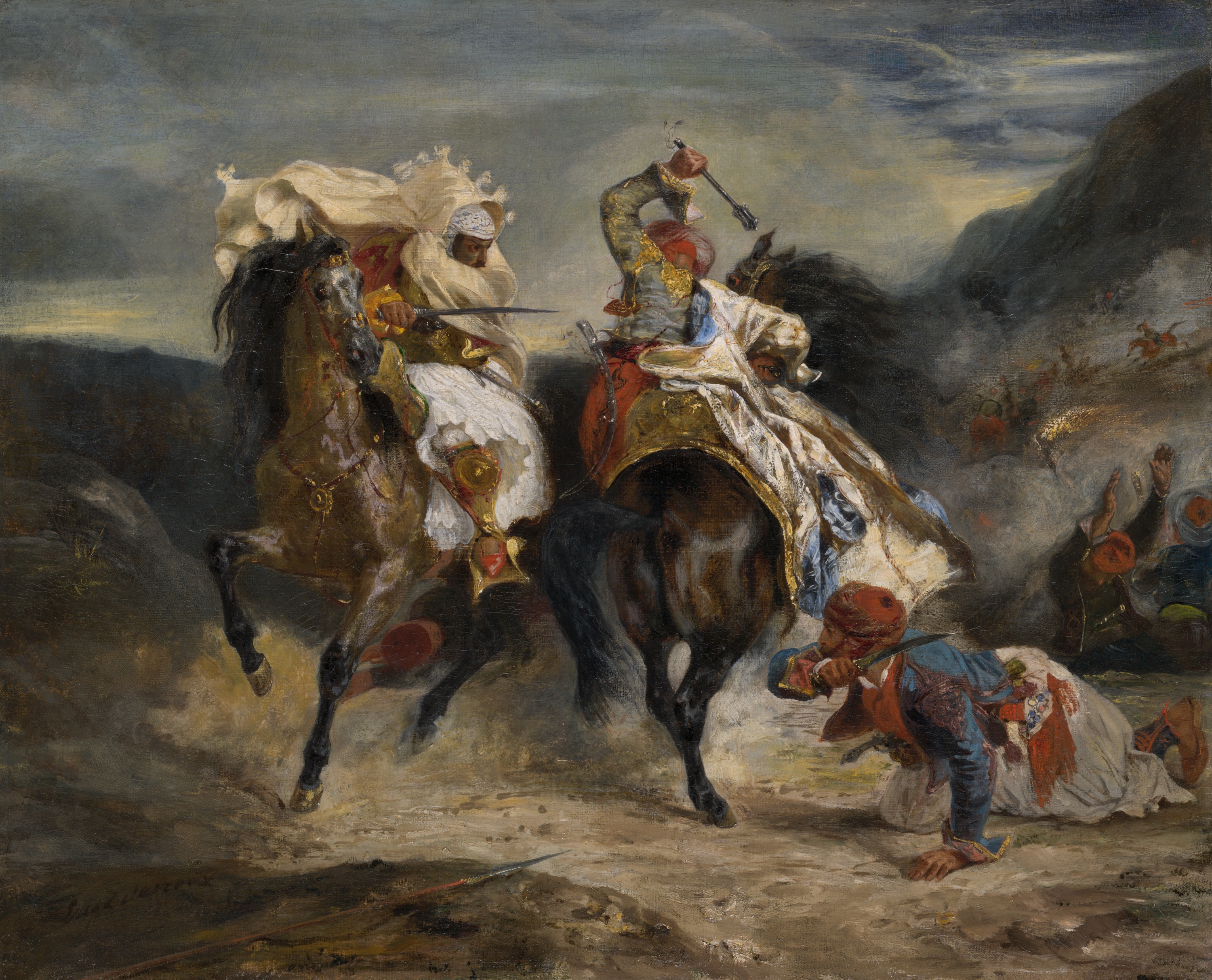
‘O Combate do Giaour e Hassan’, de Delacroix

Tendo como fonte de inspiração Giaour (1813), poema dos Contos Orientais de Lord Byron [1788-1824], Eugène Delacroix [26 Abril 1798 – 13 Agosto 1863]  retrata nesta obra de 1826 a luta entre um giaour cristão (termo turco para infiel, usado no Império Otomano) e um guerreiro muçulmano. 


Eugène Delacroix – The Combat of the Giaour and Hassan

Nos 505 anos da morte de Bosch…

Dia de evocar Hieronymus Bosch [c. 1450 – 9 Agosto 1516], em primeiro lugar através das criaturas do Tríptico das tentações de Santo Antão que ilustram a capa da oportuna reedição, pela Quetzal, do Livro dos Seres Imaginários de Jorge Luis Borges, uma reinvenção do mundo construída a partir de um bestiário moderno, como decorre da sinopse; Depois, com a obra Las tentaciones de San Antonio Abad (1510 – 1515) que pertence ao Museu do Prado.


On Giorgio Vasari’s 510th birthday

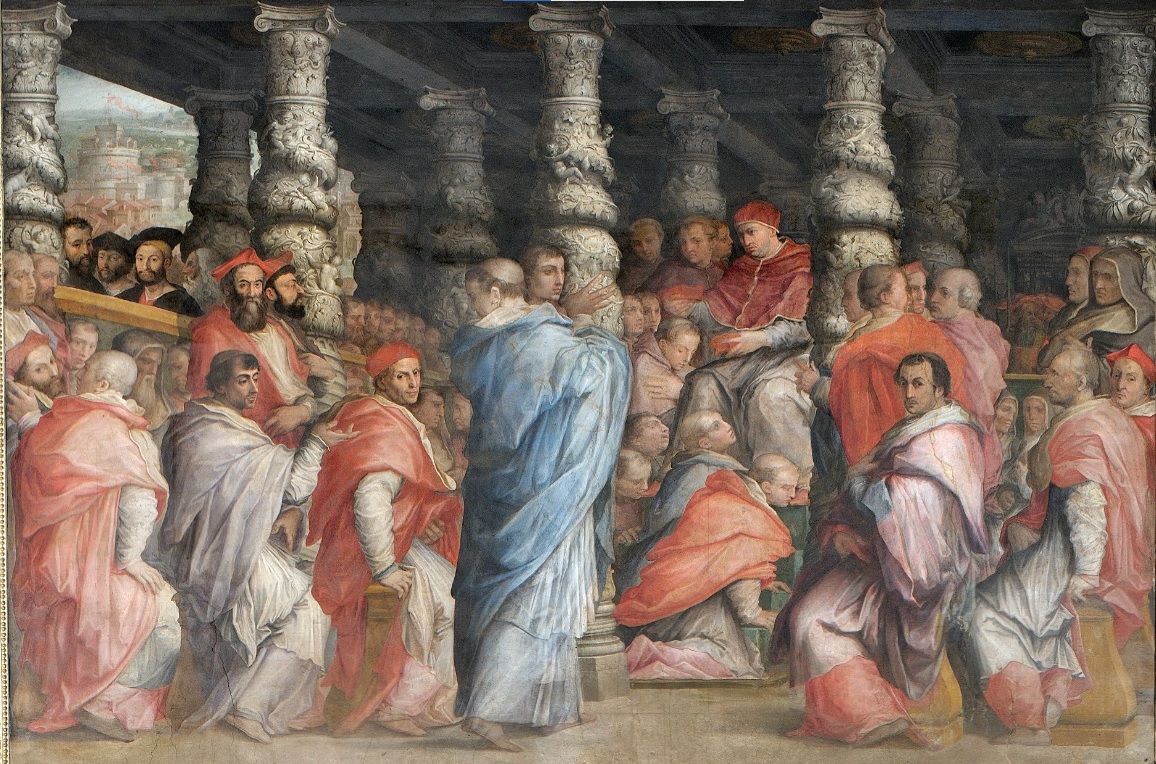
Leone X elegge il suo nuovo collegio di cardinali, 1555-1563

On the eastern side of the Palazzo Vecchio, next to the Hall of the Five Hundred, are the apartments that were once devoted to the offices of court and guests of the principality: the Quarters of Leo X on the lower floor and the Quarters of the Elements upstairs. These were constructed as part of the works ordered by Duke Cosimo I de’ Medici to extend the palace, and were therefore known as the new quarters. The works were begun by Battista del Tasso in the mid-1500s and were continued between 1555 and 1563 by Giorgio Vasari and a number of associates, including the painters Marco da Faenza, Cristofano Gherardi, and Giovanni Stradano. The distinctive feature of the two quarters is the perfectly matched shape and size of the rooms on the first and second floors. This symmetry is part of an iconographic scheme for decorating the rooms devised by the scholar Cosimo Bartoli. Each of the rooms in the Quarters of Leo X is dedicated to an illustrious figure from the Medici family and depicts their most significant feats. Each of these rooms is matched on the floor above by a room dedicated to one of the main pagan deities, the idea being to compare the “terrestrial gods” of the reigning dynasty with the lineage of the “heavenly deities.” The first room of the quarters is dedicated to Cosimo the Elder, to whom the Medici family was indebted for securing the family’s prestige in the 15th century.
Via Google Arts & Culture.

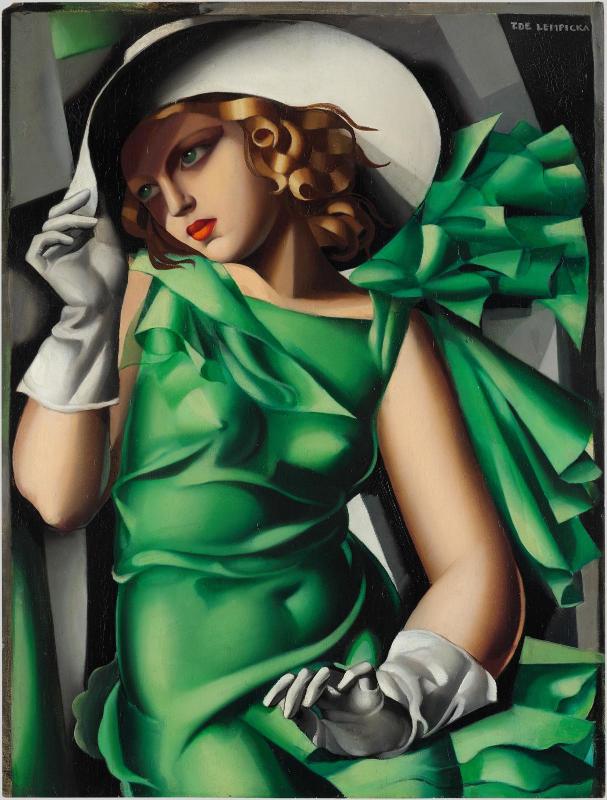
‘Jeune fille en vert’, de Tamara de Lempicka

De Tamara de Lempicka [16 Maio 1898 – 18 Março 1980], pioneira no desenvolvimento do Movimento Art Déco, “Jeune fille en vert”, 1927-30.


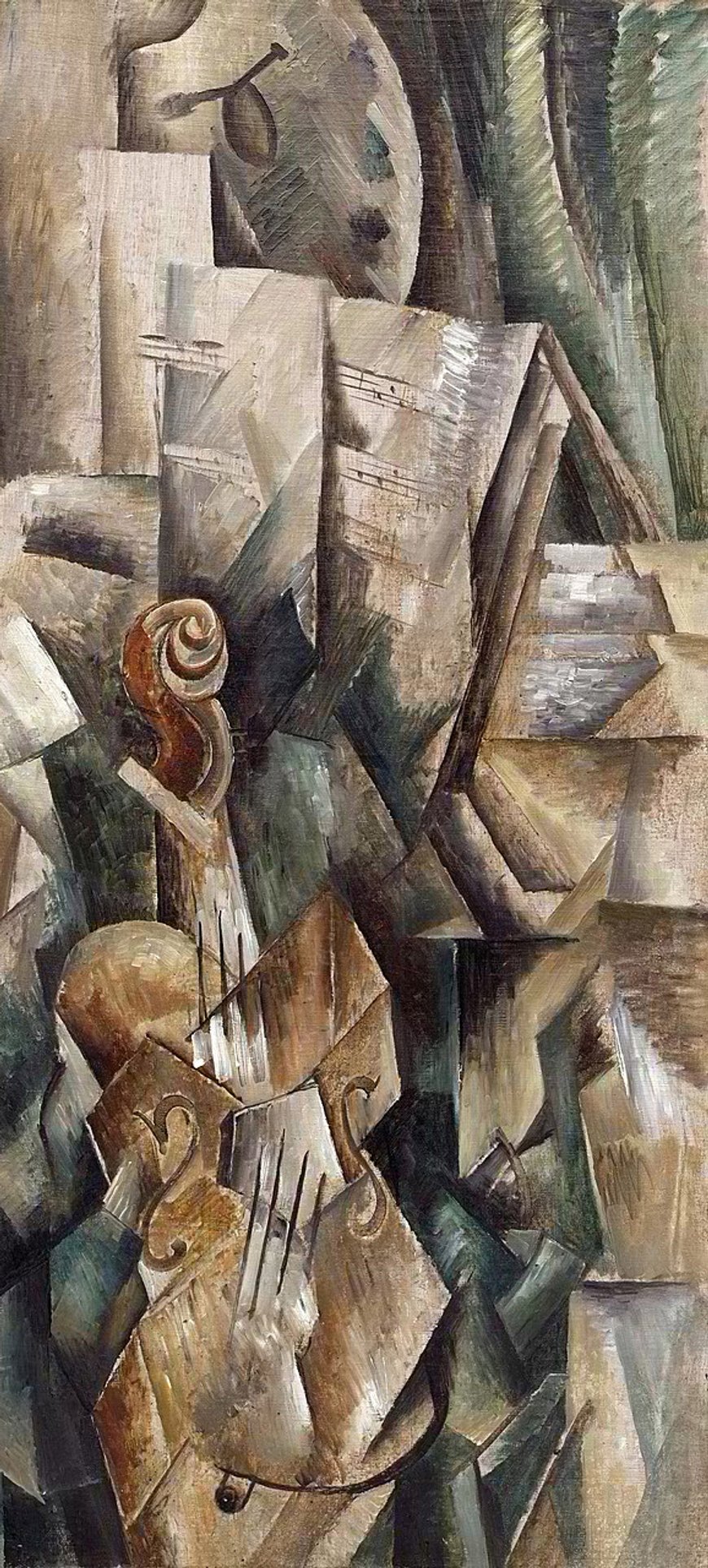
‘Violon et palette’ e ‘Piano et mandore’, de Georges Braque

Durante o período em que Georges Braque [13 Mai 1882 – 31 Ago 1963] e Pablo Picasso partilharam um estúdio em Ceret, na região francesa da Occitânia, desenvolveram um novo estilo designado por cubismo analítico.
A esse período pertencem as obras Violon et palette e Piano et mandore (1909-1910), actualmente no Museu Guggenheim.


‘Vasos, periódico y botella de vino’, de Juan Gris

De Juan Gris [23 Mar 1887 – 11 Mai 1927], «Verres, journal et bouteille de vin» (Vasos, periódico y botella de vino), 1913


https://www.museoreinasofia.es/en/collection/artwork/verres-journal-et-bouteille-vin-cups-newspaper-and-bottle-wine

‘Sunset (Brothers)’, de Caspar David Friedrich

De Caspar David Friedrich [5 Setembro 1774 – Dresden, 7 Maio 1840], considerado um dos mais importantes artistas do início do romantismo alemão, a obra Sunset (Brothers) do período entre 1830 e 1835, que pertence ao Hermitage de São Petersburgo.