O rapaz sobredotado
Mas Gusmão também teve defensores, a começar pelo marquês de Fontes, D. Rodrigo Menezes, que hospedara já o jovem prodígio brasileiro aquando da sua primeira, e pouco conhecida, viagem a Portugal. Em 1701, Gusmão, então com 15 ou 16 anos (nasceu em 1685 na vila de Santos, mas não se sabe em que dia), espantou Lisboa com um insólito reportório de habilidades. José Soares da Silva, autor de uma Gazeta em Forma de Carta relativa a 1701, conta que o jovem santista, que acabara de deixar a Companhia de Jesus por não querer tomar ordens, não só dizia “de cor todo o Virgílio, Horácio, Ovídio e demais clássicos”, como também o conseguia fazer “para diante e para trás ou donde lhe apontarem”.
No que parece ter sido uma espécie de folheto publicitário dos dotes mnemónicos de Gusmão – reproduzido pelo autor da Gazeta -, lê-se que este prometia, entre vários outros feitos, “defender toda a filosofia, e também explicar a parte de Aristóteles com todos os seus embaraços”, dizer “toda a escritura decoradamente e as dúvidas todas das línguas em que foi escrita”. Mesmo que se admita algum exagero, tudo indica que o futuro “Padre Voador” foi um caso flagrante de criança sobredotada.
Estreou-se como inventor ainda no Seminário de Belém, construindo um sistema que levava a água de um ribeiro até à escola, que ficava no cimo de um monte com cem metros de altura. Em 1705, quando se encontrava de novo no Brasil, registou o engenho na Câmara da Baía, obtendo a primeira patente outorgada a um inventor brasileiro.
Irmão mais velho do prestigiado diplomata da corte de D. João V, Alexandre de Gusmão – foi o grande obreiro do Tratado de Madrid de 1750, no qual se fixaram as fronteiras do Brasil actual -, Bartolomeu tinha raízes no Porto. Segundo Joaquim Fernandes, era aparentado aos Afonso Gaya, “quatro irmãos naturais de Miragaia que partiram para o Brasil em 1531, na armada de Martim Afonso de Sousa”. Com eles viajava o também portuense Brás Cubas, fundador da vila de Santos, onde os Gaya se instalaram.
Nos anos que Gusmão passará em Portugal, construindo o seu engenho voador, dedicará algum tempo a investigar, a pedido da Academia Real da História, as origens da diocese do Porto. Demonstrando um rigor crítico que Joaquim Fernandes compara ao de Alexandre Herculano, desmontou diversas lendas dadas como verdadeiras, designadamente a que respeitava ao mítico bispo Julião.
O “Padre Voador”
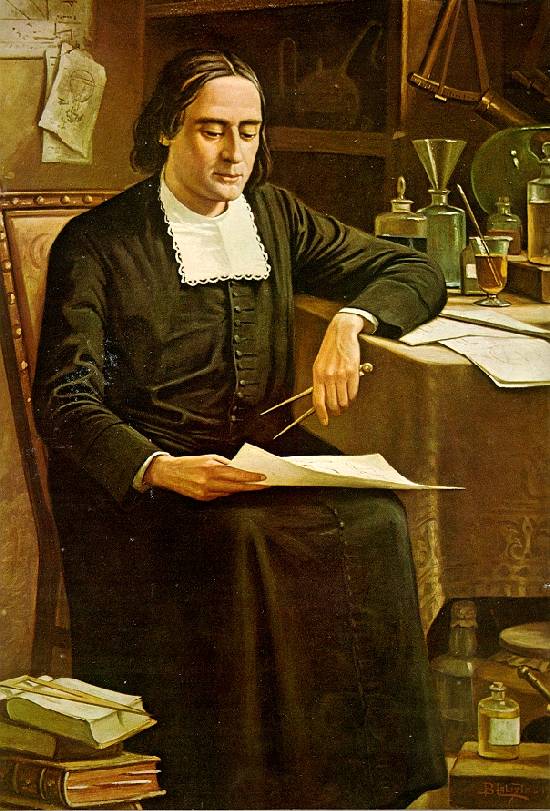
Não há dúvida de que Bartolomeu de Gusmão foi um homem de capacidades intelectuais francamente invulgares. E durante algum tempo parecia ir dispor, em Portugal, de condições para as usar. D. João V apoiou-o sem reservas, a ponto de lhe ter emprestado, para fabricar o seu invento, uma casa que possuía em Lisboa, perto do local onde hoje se ergue a estação de Santa Apolónia. O monarca começara por lhe atribuir uma propriedade do duque de Aveiro, mas Gusmão argumentou que a do rei lhe parecia mais conveniente.
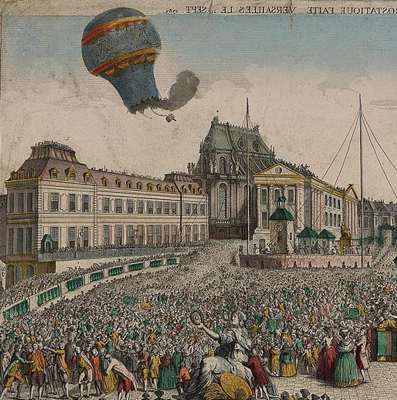
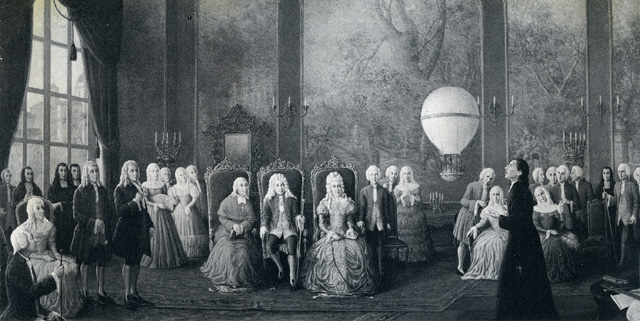
 Após duas experiências goradas nos primeiros dias de Agosto, a de dia 8 foi finalmente bem sucedida. Gusmão não pôs no ar nenhuma “passarola”, e muito menos a tripulou, como mais tarde iria correr. O seu engenho era apenas um modelo em escala reduzida, um globo de papel grosso, com uma chama a arder numa tigela incrustada na base, muito semelhante aos actuais balões de S. João. O balão chegou ao tecto da sala e acabou por ser apagado pela criadagem no momento em que ameaçava incendiar os cortinados.
Ainda antes destas tentativas, já as notícias do seu invento, acompanhadas de ilustrações fantasistas, apareciam nas gazetas europeias. Crê-se que o rumor terá chegado primeiro ao Vaticano, através do cardeal Conti, e que daí se expandiu para outros países. O mais imaginativo destes primeiros cronistas estrangeiros da façanha de Gusmão foi o autor de uma brochura austríaca que relata como o padre navegou por ar, aos comandos do seu “navio voador”, de Lisboa até Viena, depois de ter aterrorizado os habitantes da Lua e de ter tido de enfrentar aves monstruosas.
Já as delirantes gravuras que popularizaram a “passarola” na Europa tiveram, ao que parece, o dedo do próprio Gusmão, que, farto de que lhe tentassem roubar o segredo, terá providenciado, em conluio com o filho do marquês de Fontes, o seu único aprendiz, para que fosse encontrado um suposto plano da máquina, com explicações erróneas, cheias de “quintas essências”, “magnetismos” e outro jargão científico da época.
O messias judeu
 A verdade é que, embora tenha realizado uma nova ascensão em Outubro de 1709, desta vez ao ar livre, o “Padre Voador” nunca chegou a construir o engenho com que sonhava. Por falta de conhecimentos científicos e técnicos, mas também, provavelmente, argumenta Joaquim Fernandes, pelo ambiente hostil de um país que, ao contrário, por exemplo, da Inglaterra do tempo, se mantinha preso às doutrinas aristotélicas e ignorava os avanços que se estavam a fazer nas ciências físicas.
Talvez tenha sido para alargar os seus conhecimentos que Gusmão, entre 1713 e 1716, viajou pela Europa, tendo chegado a registar, na Holanda, uma máquina para drenar a água que alagava os barcos. A sua passagem por Amesterdão, destino privilegiado dos judeus portugueses e brasileiros, sobretudo a partir da unificação luso-espanhola de 1580, foi atentamente vigiada pela Inquisição.
Joaquim Fernandes admite que os Gusmões – Bartolomeu teve 11 irmãos e irmãs – tivessem ascendência judaica por via materna. E parece constituir um possível indício nesse sentido um texto em que o seu irmão Alexandre ironiza com a suposta “pureza” genealógica dos cristãos-velhos. Recordando que basta recuarmos 8 gerações para termos, todos, 1024 avós, o diplomata perguntava: “Queria que me dissessem os Senhores Puritanos se têm notícia que todos fossem Familiares do Santo Ofício?”.
Certo, segundo Fernandes, é que Bartolomeu convivia com várias famílias de cristãos-novos, incluindo a do dramaturgo António José da Silva, dito “o Judeu”. E já quando se deslocara à Holanda, o seu inimigo Pinto Brandão escrevera uns versos em que dizia: “Mudando de alma e de nome/ Quererá um certo apenso/ De Bartolomeu Lourenço/ Passar para António Homem”. Se tivermos em conta que António Homem fora um sacerdote católico que morrera na fogueira, acusado de judaísmo, a sugestão torna-se evidente.
No final de Setembro de 1724, o “Padre Voador” foge para Espanha com um seu irmão mais novo, Frei João Álvares, projectando atingir a Inglaterra. O motivo imediato terá sido uma intriga em que se viu envolvido, que girava em torno de umas freiras de Odivelas que mantinham amantes na corte. Quando as religiosas foram presas e a Inquisição interveio, Gusmão, sobre quem já antes corriam boatos perigosos, optou pela fuga. Ele e o irmão adoptaram nomes falsos e partiram, correndo o risco de levar na bagagem vários livros em hebraico.
Bartolomeu morreu em Toledo no dia 18 de Novembro de 1724. A julgar pelo testemunho que o seu irmão mais tarde deu à Inquisição espanhola, já se convertera ao judaísmo em 1722. O estranho relato de João Álvares, que deve ser lido com cautela, já que o autor é um suposto arrependido a confessar-se ao Santo Ofício, mostra-nos, nota Joaquim Fernandes, um Bartolomeu de Gusmão no qual o inventor e o místico se fundem numa bizarra megalomania.
Conta o frade que o seu irmão, aparentemente tomado de delírios messiânicos, estava convicto de que fora escolhido para restaurar Israel. Pretendia construir “uma aérea fábrica” com a qual dominaria o mundo e estabeleceria um único império universal, no qual os judeus reinariam sobre todos os povos, através do seu rei. Ou seja, ele próprio, Bartolomeu.












 António Branco Almeida
 Ana Margarida Lopes


 Visita Guiada
 O Universo Numa Casca de Noz