Praia dos Machados – Zambujeira do Mar

Praia dos Machados - Zambujeira do Mar
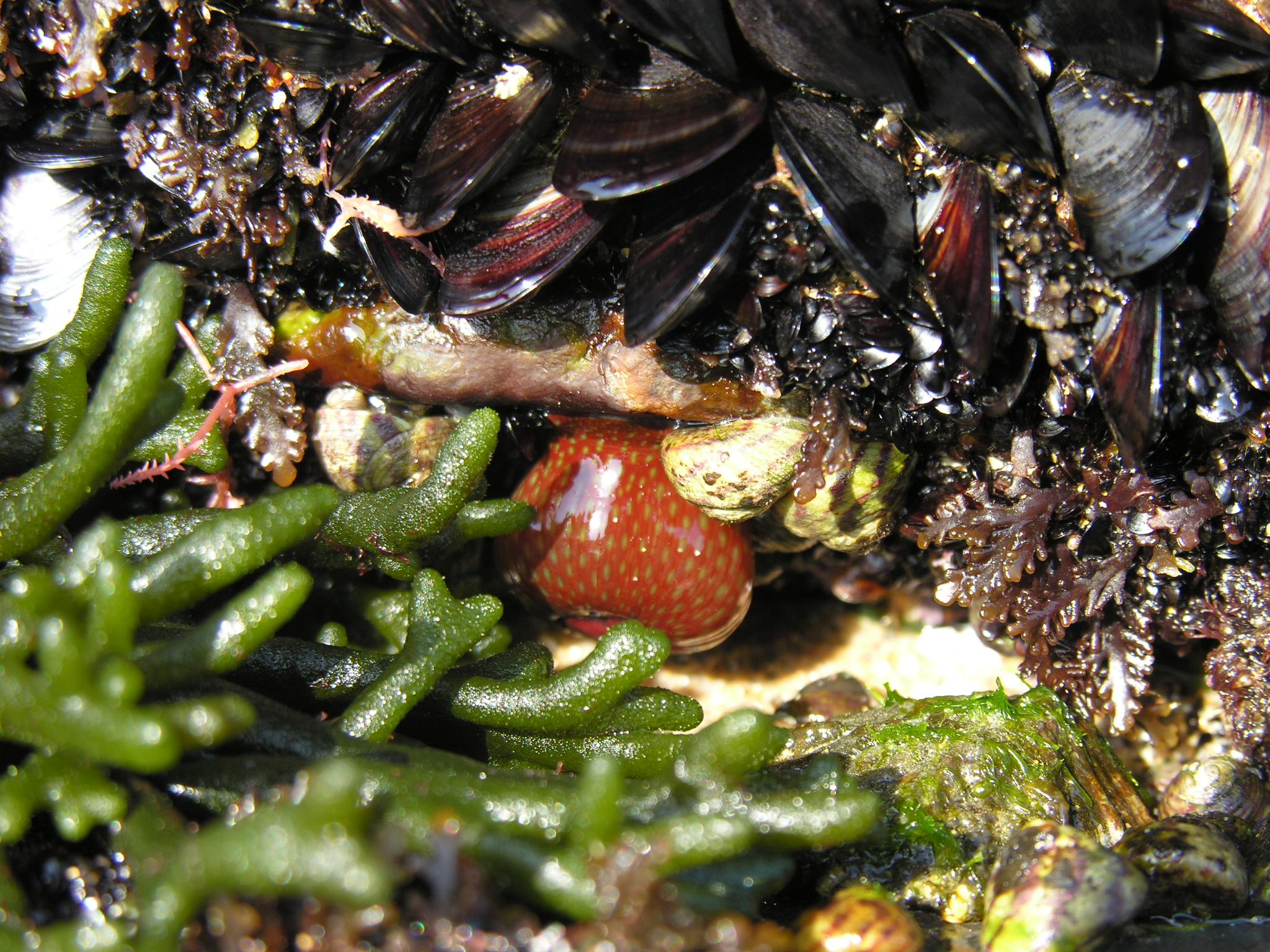
Praia dos Machados - Zambujeira do Mar
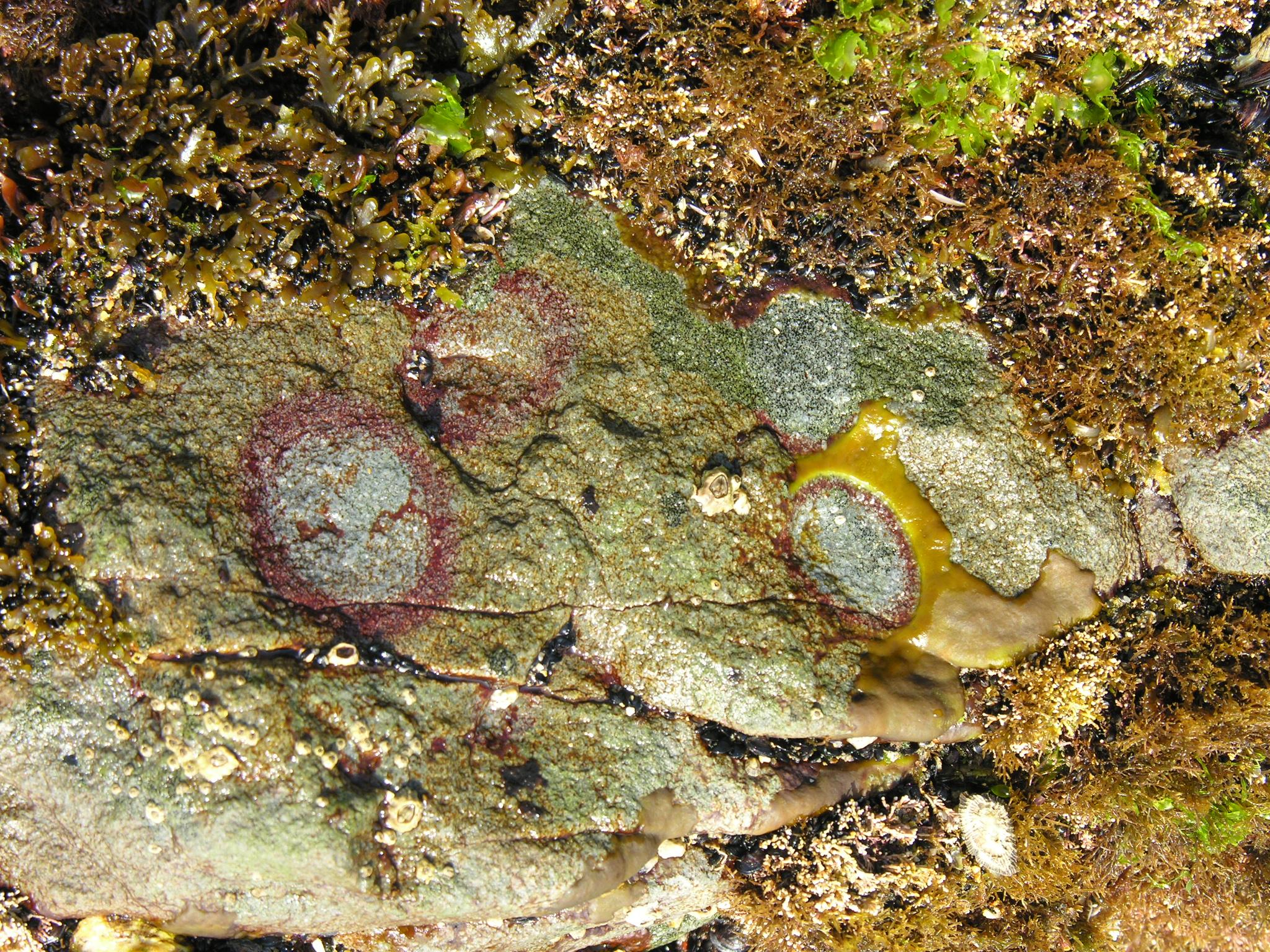
Praia dos Machados - Zambujeira do Mar
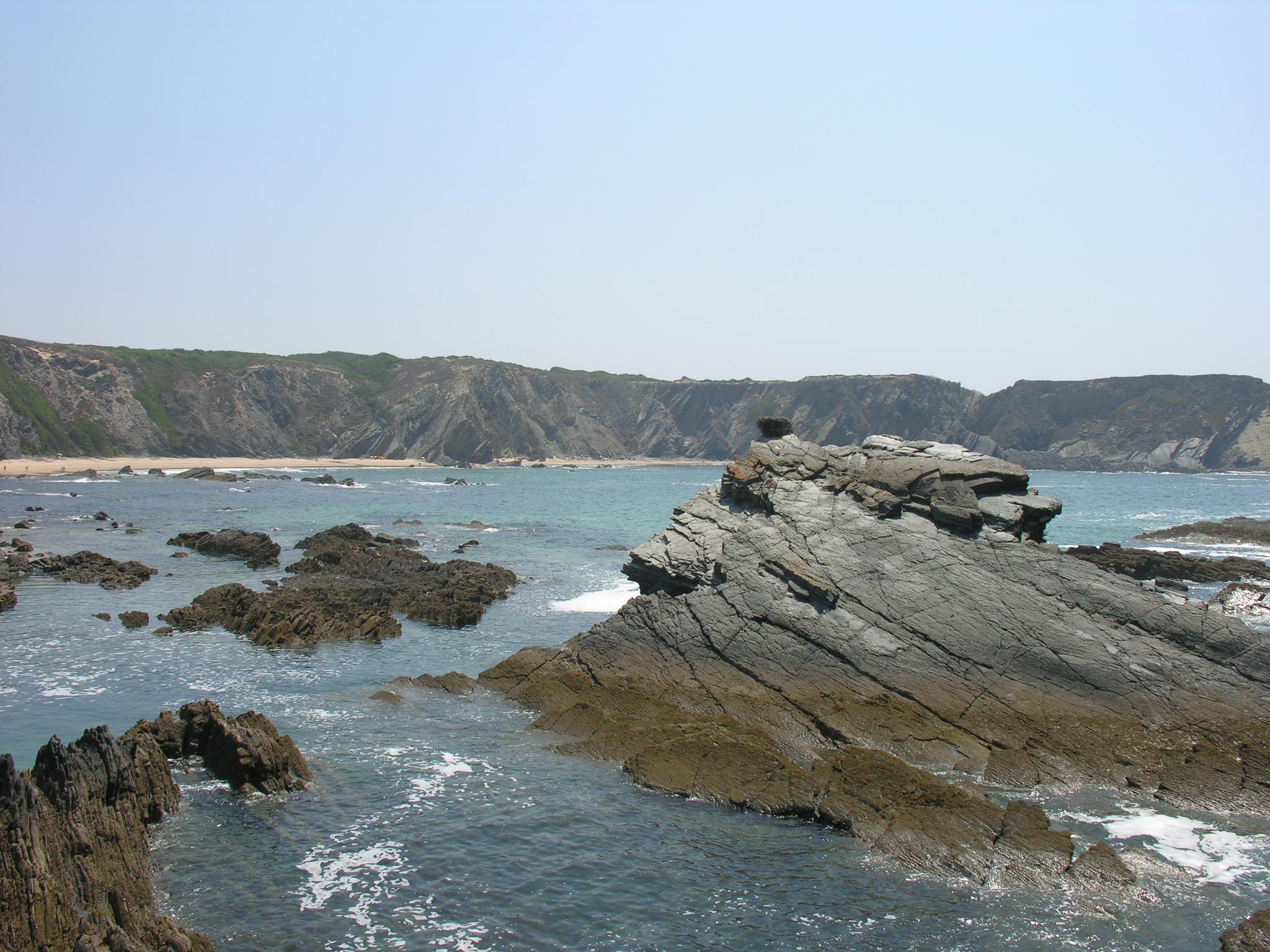
Praia dos Machados - Zambujeira do Mar
Praia dos Machados - Zambujeira do Mar
Praia dos Machados - Zambujeira do Mar
Praia dos Machados - Zambujeira do Mar
Praia dos Machados - Zambujeira do Mar

Praia do Meco - Chegada da Faina
Não sei de que ano é o Fado Maravilhas, mas sempre que, por qualquer razão, o nome de Raul Solnado vem à baila, é este fado que recordo. Quem ouviu a voz de gingão do Raul a cantá-lo, sabe como Lisboa era também isto.
Lisboa sabe-o bem.

Fui domingo a Cacilhas
Mais o Chico Maravilhas
Comer uma caldeirada.
A gente não nada em taco
Mas vai dando pró tabaco
E para regar a salada.
É porque isto é mesmo assim
A gente morre e o pilim
Não vai prá cova ca gente.
E antes gastá-lo no tacho
Do que na farmácia, eu acho
Isto é que é principalmente… ai…
Terminada a refeição
Ao entrar na embarcação
Começou a grande espiga.
Um mangas abriu o bico
Pôs-se a mandar vir com o Chico
E o Chico arriou a giga.
Eu para acalmar a tormenta
Inda disse oh Chico auguenta
Mas o mangas insistiii u.
E o Chico sem intenção
Deu-lhe um ligeiro encontrão
E atirou com o tipo ao rio… ai…
O sócio do outro meco
Quis-se armar em malandreco
A gente já tava quentes.
Veio para mim desnorteado
Eu dei-lhe com penteado
E pu-lo a cuspir os dentes.
(…)
Não tenho vida para isto
E de futuro desisto
De me meter noutra alhaaa da.
Nunca mais vou a Cacilhas
Mais o Chico Maravilhas
Comer uma caldeiraaa da!
Há 300 anos, o padre luso-brasileiro Bartolomeu de Gusmão fez subir um globo de papel a quatro metros de altura, aquecendo o ar no seu interior. Três quartos de século antes das experiências dos irmãos Montgolfier, inventava o balão aerostático e sonhava com um engenho que lhe permitiria dominar o mundo.
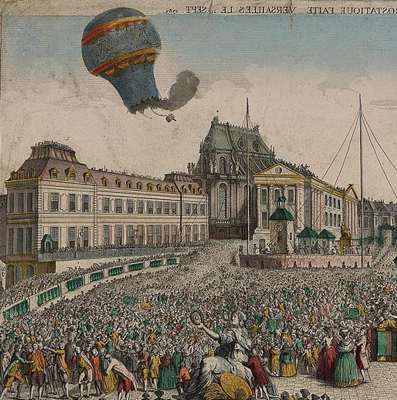 Esta data histórica assinala a primeira aplicação prática do princípio de Arquimedes a um aparelho aerostático e antecipa 74 anos a façanha dos irmãos Montgolfier, que em Junho de 1783 colocaram no ar, durante 10 minutos, um balão com 32 metros de circunferência. No mesmo ano, perante Luís XIV e Maria Antonieta, os inventores franceses fizeram subir no ar o primeiro balão tripulado. Mas só em meados do século XIX é que iria inventar-se o primeiro aeróstato dirigível.
O rapaz sobredotado
Mas Gusmão também teve defensores, a começar pelo marquês de Fontes, D. Rodrigo Menezes, que hospedara já o jovem prodígio brasileiro aquando da sua primeira, e pouco conhecida, viagem a Portugal. Em 1701, Gusmão, então com 15 ou 16 anos (nasceu em 1685 na vila de Santos, mas não se sabe em que dia), espantou Lisboa com um insólito reportório de habilidades. José Soares da Silva, autor de uma Gazeta em Forma de Carta relativa a 1701, conta que o jovem santista, que acabara de deixar a Companhia de Jesus por não querer tomar ordens, não só dizia “de cor todo o Virgílio, Horácio, Ovídio e demais clássicos”, como também o conseguia fazer “para diante e para trás ou donde lhe apontarem”.
No que parece ter sido uma espécie de folheto publicitário dos dotes mnemónicos de Gusmão – reproduzido pelo autor da Gazeta -, lê-se que este prometia, entre vários outros feitos, “defender toda a filosofia, e também explicar a parte de Aristóteles com todos os seus embaraços”, dizer “toda a escritura decoradamente e as dúvidas todas das línguas em que foi escrita”. Mesmo que se admita algum exagero, tudo indica que o futuro “Padre Voador” foi um caso flagrante de criança sobredotada.
Estreou-se como inventor ainda no Seminário de Belém, construindo um sistema que levava a água de um ribeiro até à escola, que ficava no cimo de um monte com cem metros de altura. Em 1705, quando se encontrava de novo no Brasil, registou o engenho na Câmara da Baía, obtendo a primeira patente outorgada a um inventor brasileiro.
Irmão mais velho do prestigiado diplomata da corte de D. João V, Alexandre de Gusmão – foi o grande obreiro do Tratado de Madrid de 1750, no qual se fixaram as fronteiras do Brasil actual -, Bartolomeu tinha raízes no Porto. Segundo Joaquim Fernandes, era aparentado aos Afonso Gaya, “quatro irmãos naturais de Miragaia que partiram para o Brasil em 1531, na armada de Martim Afonso de Sousa”. Com eles viajava o também portuense Brás Cubas, fundador da vila de Santos, onde os Gaya se instalaram.
Nos anos que Gusmão passará em Portugal, construindo o seu engenho voador, dedicará algum tempo a investigar, a pedido da Academia Real da História, as origens da diocese do Porto. Demonstrando um rigor crítico que Joaquim Fernandes compara ao de Alexandre Herculano, desmontou diversas lendas dadas como verdadeiras, designadamente a que respeitava ao mítico bispo Julião.
O “Padre Voador”
Não há dúvida de que Bartolomeu de Gusmão foi um homem de capacidades intelectuais francamente invulgares. E durante algum tempo parecia ir dispor, em Portugal, de condições para as usar. D. João V apoiou-o sem reservas, a ponto de lhe ter emprestado, para fabricar o seu invento, uma casa que possuía em Lisboa, perto do local onde hoje se ergue a estação de Santa Apolónia. O monarca começara por lhe atribuir uma propriedade do duque de Aveiro, mas Gusmão argumentou que a do rei lhe parecia mais conveniente.
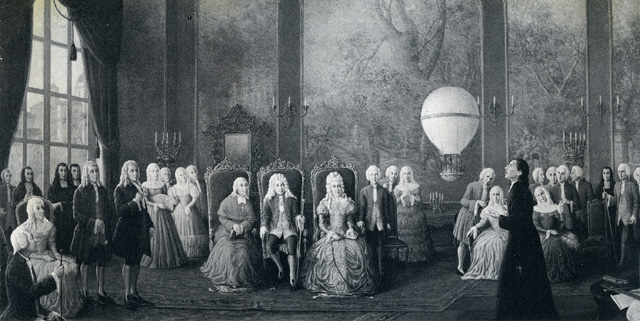
 Após duas experiências goradas nos primeiros dias de Agosto, a de dia 8 foi finalmente bem sucedida. Gusmão não pôs no ar nenhuma “passarola”, e muito menos a tripulou, como mais tarde iria correr. O seu engenho era apenas um modelo em escala reduzida, um globo de papel grosso, com uma chama a arder numa tigela incrustada na base, muito semelhante aos actuais balões de S. João. O balão chegou ao tecto da sala e acabou por ser apagado pela criadagem no momento em que ameaçava incendiar os cortinados.
Ainda antes destas tentativas, já as notícias do seu invento, acompanhadas de ilustrações fantasistas, apareciam nas gazetas europeias. Crê-se que o rumor terá chegado primeiro ao Vaticano, através do cardeal Conti, e que daí se expandiu para outros países. O mais imaginativo destes primeiros cronistas estrangeiros da façanha de Gusmão foi o autor de uma brochura austríaca que relata como o padre navegou por ar, aos comandos do seu “navio voador”, de Lisboa até Viena, depois de ter aterrorizado os habitantes da Lua e de ter tido de enfrentar aves monstruosas.
Já as delirantes gravuras que popularizaram a “passarola” na Europa tiveram, ao que parece, o dedo do próprio Gusmão, que, farto de que lhe tentassem roubar o segredo, terá providenciado, em conluio com o filho do marquês de Fontes, o seu único aprendiz, para que fosse encontrado um suposto plano da máquina, com explicações erróneas, cheias de “quintas essências”, “magnetismos” e outro jargão científico da época.
O messias judeu
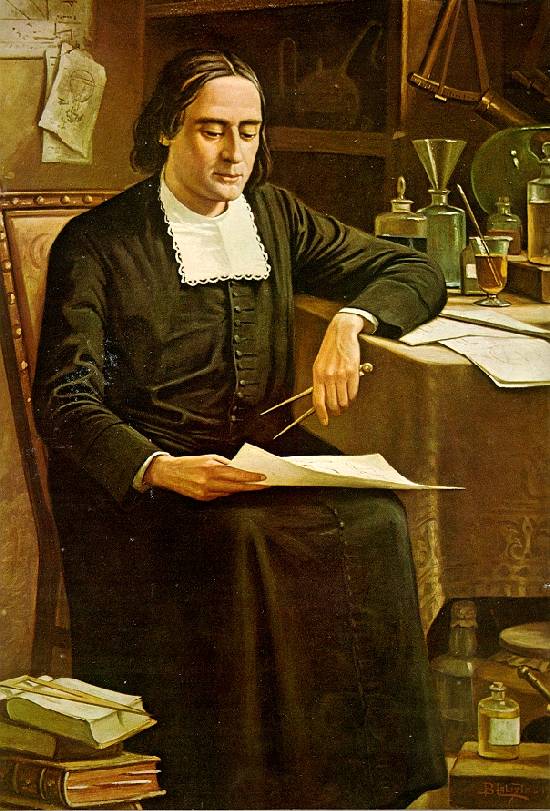 A verdade é que, embora tenha realizado uma nova ascensão em Outubro de 1709, desta vez ao ar livre, o “Padre Voador” nunca chegou a construir o engenho com que sonhava. Por falta de conhecimentos científicos e técnicos, mas também, provavelmente, argumenta Joaquim Fernandes, pelo ambiente hostil de um país que, ao contrário, por exemplo, da Inglaterra do tempo, se mantinha preso às doutrinas aristotélicas e ignorava os avanços que se estavam a fazer nas ciências físicas.
Talvez tenha sido para alargar os seus conhecimentos que Gusmão, entre 1713 e 1716, viajou pela Europa, tendo chegado a registar, na Holanda, uma máquina para drenar a água que alagava os barcos. A sua passagem por Amesterdão, destino privilegiado dos judeus portugueses e brasileiros, sobretudo a partir da unificação luso-espanhola de 1580, foi atentamente vigiada pela Inquisição.
Joaquim Fernandes admite que os Gusmões – Bartolomeu teve 11 irmãos e irmãs – tivessem ascendência judaica por via materna. E parece constituir um possível indício nesse sentido um texto em que o seu irmão Alexandre ironiza com a suposta “pureza” genealógica dos cristãos-velhos. Recordando que basta recuarmos 8 gerações para termos, todos, 1024 avós, o diplomata perguntava: “Queria que me dissessem os Senhores Puritanos se têm notícia que todos fossem Familiares do Santo Ofício?”.
Certo, segundo Fernandes, é que Bartolomeu convivia com várias famílias de cristãos-novos, incluindo a do dramaturgo António José da Silva, dito “o Judeu”. E já quando se deslocara à Holanda, o seu inimigo Pinto Brandão escrevera uns versos em que dizia: “Mudando de alma e de nome/ Quererá um certo apenso/ De Bartolomeu Lourenço/ Passar para António Homem”. Se tivermos em conta que António Homem fora um sacerdote católico que morrera na fogueira, acusado de judaísmo, a sugestão torna-se evidente.
No final de Setembro de 1724, o “Padre Voador” foge para Espanha com um seu irmão mais novo, Frei João Álvares, projectando atingir a Inglaterra. O motivo imediato terá sido uma intriga em que se viu envolvido, que girava em torno de umas freiras de Odivelas que mantinham amantes na corte. Quando as religiosas foram presas e a Inquisição interveio, Gusmão, sobre quem já antes corriam boatos perigosos, optou pela fuga. Ele e o irmão adoptaram nomes falsos e partiram, correndo o risco de levar na bagagem vários livros em hebraico.
Bartolomeu morreu em Toledo no dia 18 de Novembro de 1724. A julgar pelo testemunho que o seu irmão mais tarde deu à Inquisição espanhola, já se convertera ao judaísmo em 1722. O estranho relato de João Álvares, que deve ser lido com cautela, já que o autor é um suposto arrependido a confessar-se ao Santo Ofício, mostra-nos, nota Joaquim Fernandes, um Bartolomeu de Gusmão no qual o inventor e o místico se fundem numa bizarra megalomania.
Conta o frade que o seu irmão, aparentemente tomado de delírios messiânicos, estava convicto de que fora escolhido para restaurar Israel. Pretendia construir “uma aérea fábrica” com a qual dominaria o mundo e estabeleceria um único império universal, no qual os judeus reinariam sobre todos os povos, através do seu rei. Ou seja, ele próprio, Bartolomeu.
__________________________________

Há 300 anos, Bartolomeu de Gusmão fez voar um pequeno balão de papel que permitiria dominar o mundo. Hoje, Lisboa homenageia o homem que inventou a passarola
____________________________________
Esta maroma escondida/ Que abala toda a cidade/ Esta mentira verdade/ Ou esta dúvida crida; / esta exalação nascida/ no Português firmamento:/este nunca visto intento/ do padre Bartolomeu/ assim fora santo eu/ como ela é coisa de vento./ Esta fera passarola/ Que leva, por mais que brame,/ Trezentos mil réis de arame/ Somente para a gaiola:/ Esta urdida paviola/ Ou este tecido enredo/ Esta das mulheres medo/ E enfim dos homens espanto;/ Assim fora eu cedo santo/ Como se há-de acabar cedo.
Assim escrevia Tomás Pinto de Brandão, um portuense que fazia coro com outros escritos oriundos de publicações anónimas em Portugal e no Brasil, em que o padre era tratado com pouquíssima simpatia ou respeito pelo valor científico das suas ideias. Aliás, convém esclarecer que desde muito jovem, com 15 ou 16 anos, Bartolomeu dava mostras de uma memória prodigiosa, «que lhe permitia citar de cor e de trás para a frente (literalmente) qualquer coisa que tivesse lido por uma única vez», refere Joaquim Fernandes, consultando farta documentação. Este seu «jeito», de resto, terá sido amplamente aproveitado pelos serviços secretos reais, que chegaram a utilizar os serviços de Gusmão a desencriptar mensagens cifradas em algumas embaixadas.
Com a obra sobre a poesia satírica concluída, o historiador portuense não desdenharia encontrar – em Portugal ou no Brasil – quem no mundo das imagens a mexer se interessasse pela biografia deste homem, cuja vida dava mesmo um filme, e dos bons.
O ex-astronauta americano Neil Armstrong nasceu a 5 de Agosto de 1930. Tinha 38 quando se tornou mundialmente famoso: o módulo lunar Eagle levou os primeiros homens à superfície da Lua em 1969 e Armstrong transmitiu para a Terra a frase que marcou o mais famoso pequeno passo de sempre. Antes de trabalhar para a Nasa, Armstrong esteve na Marinha americana e participou na Guerra da Coreia. Terminado o serviço na Marinha, concluiu os estudos, licenciou-se em Engenharia Aeronáutica e encontrou trabalho como piloto de testes numa base aérea. Nessa altura, pilotou um avião experimental que abriu caminho à exploração espacial: o aparelho ultrapassava os 60 quilómetros de altitude (um avião comercial voa a cerca de 11) e serviu como rampa de lançamento para a construção de foguetões. Em 1962, Armstrong tornou-se astronauta e quatro anos depois participou pela primeira vez numa missão espacial. Em 1969, juntamente com Buzz Aldrin e Michael Collins (que não pisou solo lunar), o astronauta (…) protagonizou a ida à Lua. Logo no ano seguinte, saiu da Nasa, fez um mestrado e foi professor na Universidade de Cincinnati, nos EUA, durante oito anos. Tal como a maioria dos restantes astronautas que viveram a euforia da corrida espacial, Armstrong é um forte defensor da ida do Homem a Marte. Nos anos recentes, reduziu ao mínimo as suas aparições públicas. Via.

From a 2006 NASA News article - In red, David Hathaway's predictions for the next two solar cycles and, in pink, Mausumi Dikpati's prediction for cycle 24, and the expected "low" cycle
Maximum activity in May 2013
The Sun perked up in June and July, with a sizeable clump of 20 sunspots earlier this month.
Now it is blank again, consistent with expectations that this solar cycle will be smaller and calmer, and the maximum of activity, expected to arrive in May 2013 will not be all that maximum.
For operators of satellites and power grids, that is good news. The same roiling magnetic fields that generate sunspot blotches also accelerate a devastating rain of particles that can overload and wreck electronic equipment in orbit or on Earth.
A panel of 12 scientists assembled by the National Oceanic and Atmospheric Administration now predicts that the May 2013 peak will average 90 sunspots during that month. That would make it the weakest solar maximum since 1928, which peaked at 78 sunspots.
During an average solar maximum, the Sun is covered with an average of 120 sunspots.
But the panel’s consensus “was not a unanimous decision,” said Douglas A. Biesecker, chairman of the panel. One member still believed the cycle would roar to life while others thought the maximum would peter out at only 70.
Among some global warming skeptics, there is speculation that the Sun may be on the verge of falling into an extended slumber similar to the so-called Maunder Minimum, several sunspot-scarce decades during the 17th and 18th centuries that coincided with an extended chilly period.
Most solar physicists do not think anything that odd is going on with the Sun. With the recent burst of sunspots, “I don’t see we’re going into that,” Dr. Hathaway said last week.
Still, something like the Dalton Minimum — two solar cycles in the early 1800s that peaked at about an average of 50 sunspots — lies in the realm of the possible, Dr. Hathaway said. (The minimums are named after scientists who helped identify them: Edward W. Maunder and John Dalton.)
With better telescopes on the ground and a fleet of Sun-watching spacecraft, solar scientists know a lot more about the Sun than ever before. But they do not understand everything. Solar dynamo models, which seek to capture the dynamics of the magnetic field, cannot yet explain many basic questions, not even why the solar cycles average 11 years in length.
Predicting the solar cycle is, in many ways, much like predicting the stock market. A full understanding of the forces driving solar dynamics is far out of reach, so scientists look to key indicators that correlate with future events and create models based on those.
For example, in 2006, Dr. Hathaway looked at the magnetic fields in the polar regions of the Sun, and they were strong. During past cycles, strong polar fields at minimum grew into strong fields all over the Sun at maximum and a bounty of sunspots. Because the previous cycle had been longer than average, Dr. Hathaway thought the next one would be shorter and thus solar minimum was imminent. He predicted the new solar cycle would be a ferocious one.
Instead, the new cycle did not arrive as quickly as Dr. Hathaway anticipated, and the polar field weakened. His revised prediction is for a smaller-than-average maximum. Last November, it looked like the new cycle was finally getting started, with the new cycle sunspots in the middle latitudes outnumbering the old sunspots of the dying cycle that are closer to the equator.
After a minimum, solar activity usually takes off quickly, but instead the Sun returned to slumber. “There was a long lull of several months of virtually no activity, which had me worried,” Dr. Hathaway said.
The idea that solar cycles are related to climate is hard to fit with the actual change in energy output from the sun. From solar maximum to solar minimum, the Sun’s energy output drops a minuscule 0.1 percent.
But the overlap of the Maunder Minimum with the Little Ice Age, when Europe experienced unusually cold weather, suggests that the solar cycle could have more subtle influences on climate.
Of cosmic rays
One possibility proposed a decade ago by Henrik Svensmark and other scientists at the Danish National Space Center in Copenhagen looks to high-energy interstellar particles known as cosmic rays. When cosmic rays slam into the atmosphere, they break apart air molecules into ions and electrons, which causes water and sulfuric acid in the air to stick together in tiny droplets. These droplets are seeds that can grow into clouds, and clouds reflect sunlight, potentially lowering temperatures.
The Sun, the Danish scientists say, influences how many cosmic rays impinge on the atmosphere and thus the number of clouds. When the Sun is frenetic, the solar wind of charged particles it spews out increases. That expands the cocoon of magnetic fields around the solar system, deflecting some of the cosmic rays.
But, according to the hypothesis, when the sunspots and solar winds die down, the magnetic cocoon contracts, more cosmic rays reach Earth, more clouds form, less sunlight reaches the ground, and temperatures cool.
“I think it’s an important effect,” Dr. Svensmark said, although he agrees that carbon dioxide is a greenhouse gas that has certainly contributed to recent warming.
Dr. Svensmark and his colleagues found a correlation between the rate of incoming cosmic rays and the coverage of low-level clouds between 1984 and 2002. They have also found that cosmic ray levels, reflected in concentrations of various isotopes, correlate well with climate extending back thousands of years.
But other scientists found no such pattern with higher clouds, and some other observations seem inconsistent with the hypothesis.
Terry Sloan, a cosmic ray expert at the University of Lancaster in England, said if the idea were true, one would expect the cloud-generation effect to be greatest in the polar regions where the Earth’s magnetic field tends to funnel cosmic rays.
“You’d expect clouds to be modulated in the same way,” Dr. Sloan said. “We can’t find any such behavior.”
Still, “I would think there could well be some effect,” he said, but he thought the effect was probably small. Dr. Sloan’s findings indicate that the cosmic rays could at most account for 20 percent of the warming of recent years.
Even without cosmic rays, however, a 0.1 percent change in the Sun’s energy output is enough to set off El Niño- and La Niña-like events that can influence weather around the world, according to new research led by the National Center for Atmospheric Research in Boulder, Colo.
Climate modeling showed that over the largely cloud-free areas of the Pacific Ocean, the extra heating over several years warms the water, increasing evaporation. That intensifies the tropical storms and trade winds in the eastern Pacific, and the result is cooler-than-normal waters, as in a La Niña event, the scientists reported this month in the Journal of Climate.
In a year or two, the cool water pattern evolves into a pool of El Niño-like warm water, the scientists said.
New instruments should provide more information for scientists to work with. A 1.7-meter telescope at the Big Bear Solar Observatory in Southern California is up and running, and one of its first photographs shows “a string of pearls,” each about 50 miles across.
“At that scale, they can only be the fundamental fibril structure of the Sun’s magnetic field,” said Philip R. Goode, director of the solar observatory. Other telescopes may have caught hints of these tiny structures, he said, but “never so many in a row and not so clearly resolved.”
Sun-watching spacecraft cannot match the acuity of ground-based telescopes, but they can see wavelengths that are blocked by the atmosphere — and there are never any clouds in the way. The National Aeronautics and Space Administration’s newest sun-watching spacecraft, the Solar Dynamics Observatory, which is scheduled for launching this fall, will carry an instrument that will essentially be able to take sonograms that deduce the convection flows generating the magnetic fields.
That could help explain why strong magnetic fields sometimes coalesce into sunspots and why sometimes the strong fields remain disorganized without forming spots. The mechanics of how solar storms erupt out of a sunspot are also not fully understood.
A quiet cycle is no guarantee no cataclysmic solar storms will occur. The largest storm ever observed occurred in 1859, during a solar cycle similar to what is predicted.
Back then, it scrambled telegraph wires. Today, it could knock out an expanse of the power grid from Maine south to Georgia and west to Illinois. Ten percent of the orbiting satellites would be disabled. A study by the National Academy of Sciences calculated the damage would exceed a trillion dollars.
But no one can quite explain the current behavior or reliably predict the future.
“We still don’t quite understand this beast,” Dr. Hathaway said. “The theories we had for how the sunspot cycle works have major problems.”
Na primeira metade do século XVIII, D. João V, rei de Portugal, seguindo o padrão dos monarcas europeus com uma aura de «Rei Sol», tudo fazendo para o engrandecimento da sua imagem e da do seu país, parece ter procurado mais do que o simples entretenimento da sua corte, ou mesmo da educação dos jovens príncipes.
Vivia-se então um período de intensa actividade ligada às descobertas científicas, nomeadamente no campo da astronomia, como forma de melhor conhecer a própria Terra, quer no que respeita à sua geodesia e cartografia, quer no que respeita à sua órbita.
Aproveitando os fluxos de ouro vindos do Brasil, D. João V desempenhou um papel activo enquanto mecenas de astrónomos italianos e promoveu o relacionamento da sua corte com a comunidade intelectual italiana, nos campos das Artes e das Ciências.

O Paço da Ribeira no início do Século XVIII
No seu tempo, foram construídas três grandes Bibliotecas: a do Convento de Mafra, destinada à história de Portugal e terminada já depois da morte do rei, em 31 de Julho de 1750; 🙂
A Biblioteca Geral da Universidade de Coimbra, um admirável exemplo da arquitectura barroca e destinada à reforma dos estudos universitários em Coimbra, dentro de uma estratégia de expansão do Iluminismo em Portugal.
Mas nenhuma se comparava ao esplendor e actividade da Grande Biblioteca situada no próprio palácio real, o Paço da Ribeira. Chamada a Casa da Livraria, tornou-se famosa ainda em vida do rei e rapidamente se transformou num centro de experimentação e pesquisa científica, um símbolo do programa de ensino cuja reforma D. João V tinha iniciado.
“A notícia da minha morte foi um manifesto exagero”. Mark Twain
O Martinho da Arcada não é um café qualquer. Tal como A Brasileira do Chiado e o Café Nicola em Lisboa, o Café Majestic, o Velasquez e o Guarany, no Porto. Todos pertencem ao nosso património histórico e cultural.
O Café mais antigo do país tem uma profunda ligação histórica e cultural com a cidade de Lisboa, desde que abriu as portas, cerca de duas décadas após o Terramoto de 1755.
É parte integrante do Terreiro do Paço e por essa circunstância monumento nacional.
Tem mesas “reservadas” para Fernando Pessoa, José Saramago e Manoel de Oliveira.

Café Martinho da Arcada, Julho de 2008
Ruído? Sempre houve. A origem do problema presente está directamente ligada ao Projecto de requalificação do Terreiro do Paço, que – tal como está apresentado, transfere a esmagadora maioria do trânsito da Avenida Ribeira das Naus para a Rua da Alfândega e Rua do Arsenal – se se mantiver, além de duplicar o número de transportes públicos que já ali circulava anteriormente, tornará permanente o caos de trânsito que se vive hoje naquelas artérias. Quem vai ter vontade de ir ao Martinho?
Sempre que existem obras, a vida das pessoas é afectada mas, quando terminam, a vida volta ao normal.
Em 5 de Outubro de 2010, a Monarquia Republicana vai comemorar o Centenário e o Terreiro do Paço vai estar num brinco mas, no dia seguinte, o inferno voltará.
Talvez o Martinho da Arcada já não esteja aberto, nessa altura.

Café Martinho da Arcada, Julho de 2008
Se o senhor António não conseguir manter o negócio, fecha a porta e vai à vida dele. Lisboa fica sem o Martinho da Arcada e uma parte da sua história ficará por contar. É assim…
O proprietário, o Ministério das Finanças, segundo julgo saber, não terá dificuldade em encontrar utilidade para o espaço; Pode transformá-lo num Museu, ligando o Martinho ao piso de cima, ou numa galeria, ou até, em conjunto com a Câmara, torná-lo num espaço de cultura e lazer.
O Martinho da Arcada pode vir a ser um Museu mas, como diz o senhor António, gostava que fosse um Museu vivo e não um Museu morto.
Luis Machado, um amigo da casa que dinamizou as Conversas à Quinta Feira durante algum tempo no início da década de noventa e em 2005 promoveu As Noites do Martinho, vai fazer regressar as tertúlias em Setembro, num conjunto de sete sessões. É um contributo, entre outros possíveis, para que o Martinho da Arcada continue vivo.

Café Martinho da Arcada, Julho de 2008
Johann Sebastian Bach (1685-1750)
[ Magnificat ] Es-dur, BWV 243a (First Version, 1723)
Solistas: Deborah York – Bogna Bartosz – Jörg Dürmüller – Klaus Mertens
Amsterdam Baroque Orchestra & Choir, conduzida por Ton Koopman
1. Magnificat anima mea Dominum
2. Et exsultavit spiritus meus in Deo
3. Vom Himmel hoch
4. Quia respexit humilitatem
5. Omnes generationes
6. Quia fecit mihi magna qui potens est
7. Freut euch und jubiliert
8. Et misericordia
9. Fecit potentiam in brachio suo
10. Gloria in excelsis Deo
11. Deposuit potentes de sede
12. Esurientes implevit bonis
13. Virga Jesse floruit
14. Suscepit Israel puerum suum
15. Sicut locutus est ad patres nostros
16. Gloria Patri, gloria Filio

O Museu do Douro apresenta a Exposição “O Universo de Rafael Bordallo Pinheiro – Caricatura e Cerâmica”, em parceria com a Colecção Berardo, o Museu Bordallo Pinheiro, a Fábrica de Faianças Artísticas Bordallo Pinheiro e o Museu Casa dos Patudos. De 31 de Julho a 31 de Janeiro de 2010.


| S | T | Q | Q | S | S | D |
|---|---|---|---|---|---|---|
| 1 | 2 | 3 | 4 | 5 | ||
| 6 | 7 | 8 | 9 | 10 | 11 | 12 |
| 13 | 14 | 15 | 16 | 17 | 18 | 19 |
| 20 | 21 | 22 | 23 | 24 | 25 | 26 |
| 27 | 28 | 29 | 30 | |||


 Visita Guiada é um programa de televisão e de rádio que dá a conhecer o Património Cultural português.

 António Branco Almeida
 Ana Margarida Lopes
 O Universo Numa Casca de Noz