Legendary jazz musician Herbie Hancock delivers a stunning performance alongside two old friends – past drummer for the Headhunters, Harvey Mason, and bassist Marcus Miller.
Listen to the end to hear them sweeten the classic “Watermelon Man.”
Quinta, 12 Novembro | 22h00 | Música | Grande Auditório | Kind of Blue @ 50
Jimmy Cobb´s so what Band Featuring Wallace Roney, Vincent Herring, Javon Jackson, Larry Willis & Buster Williams
Editado em 1959 pelo lendário trompetista Miles Davis (1926-1991) e tido por muitos como uma verdadeira obra-prima da história do jazz, o álbum “Kind of Blue” cumpre este ano meio século de existência.
Em homenagem a este acontecimento, o famoso baterista Jimmy Cobb, único elemento ainda vivo da formação original da gravação, decidiu recordar a edição do disco, realizando uma série de concertos com uma formação que conta com a colaboração de um importante conjunto de músicos – Wallace Roney, Javon Jackson, Vincent Herring, Larry Willis e Buster Williams.
Ao mesmo tempo, surge no mercado uma edição comemorativa que inclui 2 CDs com a totalidade dos takes gravados no momento do seu registo discográfico, incluindo ainda um livro com textos e fotos, um documentário em DVD sobre “Kind of Blue” e um LP com a edição original do trabalho. “Kind of Blue” foi um dos discos mais vendidos de sempre, uma obra fundamental, olhado por muitos como o trabalho mais importante em toda a história do jazz. Em 2003 foi eleito pela revista “Rolling Stone” o 12º melhor álbum de todos os tempos (entre 500 títulos seleccionados), não sendo por isso de admirar que tenha tantas vezes sido considerado um álbum imprescindível em qualquer discografia. Nesse ano fantástico de 1959, durante o qual aconteceram grandes momentos musicais, importantes contributos para a consolidação de uma corrente estética e musical que haveria de ser essencial na afirmação definitiva do jazz, “Kind of Blue” juntava na 30th Street, Nova Iorque, nos estúdios da Columbia Records, alguns dos maiores improvisadores do século XX: Miles Davis (trompete), John Coltrane (saxofone tenor), Bill Evans (piano, excepto em “Freddie Freeloader” – Wynton Kelly), Paul Chambers (contrabaixo), Cannonball Adderley (saxofone alto) e Jimmy Cobb (bateria). A primeira sessão deu origem ao lado A do disco e decorreu a 2 de Março, gravando-se “So What”, “Freddie Freeloader” e “Blue in Green”. Um mês depois, a 22 de Abril, estes músicos voltaram a reunir-se para registarem “Flamenco Sketches” e “All Blues”.
Produzido por Teo Macero, “Kind of Blue” é a soma de muitas genialidades: as de Miles Davis associadas às espantosas qualidades artísticas de cada um dos músicos presentes que revelaram uma da capacidade de improvisação fora de comum para a época. Segundo Jimmy Cobb, “Kind of Blue” foi “feito no céu”. Segundo a opinião insuspeita do pianista Herbie Hancock, o disco é um acontecimento raro, uma junção de energias que se transformaram n’ “Um marco não só da história do jazz, mas também da história da música”.
______________________________
Sexta, 13 Novembro | 22h00 | Música | Grande Auditório | Hank Jones Trio
Aos 91 anos, Hank Jones é uma lenda viva do jazz. A sua carreira é feita de sete décadas como pianista e compositor com centenas de discos gravados, quer acompanhando os mais variados tipos de artistas, quer como líder, registando mais de sessenta trabalhos.
Primogénito de sete irmãos, nasceu em 1918, no estado do Mississippi, no contexto de uma família destinada a ter uma profunda relação com o jazz. É irmão do famoso baterista Elvin Jones e do trompetista e compositor Thad Jones, infelizmente já desaparecidos. Hank Jones foi um dos grandes impulsionadores do bebop e tocou com quase todos os grandes nomes da história do jazz como Coleman Hawkins, Ella Fitzgerald, Charlie Parker, Max Roach, Artie Shaw, Benny Goodman, Lester Young, Cannonbal Adderley, John Coltrane, Wes Montgomery, John Lewis, Tommy Flanagan, Ron Carter, Gato Barbieri, Eddie Gomez, Al Foster, Sonny Stitt, Oscar Peterson, Charlie Haden e Joe Lovano. Durante a sua carreira acompanhou Ella Fitzgerald, assim como Frank Sinatra e Diana Krall. Muito poucos deverão saber que Hank Jones foi o pianista que acompanhou Marilyn Monroe quando esta cantou o célebre “Happy Birthday Mr. President” a John F. Kennedy.
Apesar de ter pensado em reformar-se em 1987, Hank Jones continua activo e prolífico, tocando pelo mundo inteiro, gravando e dirigindo masterclasses em inúmeras universidades, como Harvard ou Nova Iorque. O mundo confirma-o como um dos últimos sobreviventes daquele núcleo de músicos excepcionais que ajudaram a consolidar o jazz em todas as partes do planeta. Para além de muitos outros prémios e homenagens, recebeu o título de Master of Jazz, atribuído pelo National Endowment for The Arts – um prémio que consagra a sua dedicação e paixão por esta música. Neste concerto, Hank Jones sobe ao palco acompanhado por dois intérpretes de excepção: George Mraz e Willie Jones III.
Branford Marsalis é um prestigiado saxofonista, um homem que se movimenta por dentro de inúmeros interesses musicais do jazz, blues e funk, a projectos de música clássica como o conhecido Marsalis Brasilianos, a partir da exploração do imaginário musical de Heitor Villa-Lobos.
Três vezes galardoado com um Grammy, tem desenvolvido a sua carreira como instrumentista de excepção, compositor dotado e director da Marsalis Music, uma editora por si fundada em 2002, através da qual tem produzido os seus próprios projectos, assim como os de artistas jovens, considerados novos talentos em ascensão do mundo do jazz. Oriundo de Nova Orleães, Branford Marsalis nasceu em 1960, no seio de uma família, considerada uma das maiores referências musicais da cidade: o patriarca/pianista/professor Ellis Marsalis e os seus filhos Wynton, Delfeayo e Jason. Começou a adquirir notoriedade quando integrou os Art Blakey’s Jazz Messengers e participou em inúmeros concertos com o quinteto do irmão Wynton Marsalis, no início dos anos 80, antes mesmo de ter formado o seu próprio grupo. Acompanhou e gravou com grandes lendas da história do jazz, como Miles Davis, Dizzy Gillespie, Herbie Hancock e Sonny Rollins. Conhecido pelo seu espírito inovador e pela sua visão musical muito abrangente no que diz respeito aos géneros, estilos e tipos de música, a sua actividade tem vindo a ampliar-se nos últimos anos, tendo-se tornado um solista de referência nas famosas orquestras sinfónicas de Chicago, Detroit, Dusseldorf e Carolina do Norte. Os seus interesses diversificados reflectem a sua cultura e as muitas actividades que tem realizado nos mais diversos contextos. Passou dois anos em digressão, tendo gravado com Sting e foi director musical do “The Tonight Show with Jay Leno”. Durante dois anos, colaborou com os Grateful Dead e Bruce Hornsby, participou nos filmes “Throw Mama from the Train” e “School Daze”, fez a banda sonora para “Mo’ Better Blues”, entre outros filmes, e foi o anfitrião do programa Jazz Set da National Public Rádio. O seu último CD, “Metamorphosen”, lançado em Março deste ano, assinala o 10º aniversário do quarteto de Branford Marsalis, um dos grupos mais poderosos e inventivos do jazz actual. Este grupo trabalha a improvisação como um bloco de sonoridades, retirando ideias de todos os géneros de música. Este conjunto de instrumentistas está junto há muitos anos e é capaz de criar, em simultâneo, formas antagónicas de estruturação musical que nalguns momentos surgem extremamente enérgicas, noutros intensamente melódicos.
Os meus destaques foram obtidos na página oficial do Guimarães Jazz 2009, onde se pode consultar a totalidade da programação.
Hank Jones Trio – Hank Jones, piano| George Mraz, contrabaixo| Willie Jones III, bateria
Como sideman, destaco de Hank Jones – ainda em actividade aos 91 anos -, o álbum de 1959 Somethin’ Else de Cannonball Adderley, entre colaborações com Ella Fitzgerald, Dexter Gordon, Ron Carter e Max Roach, só para citar alguns.
Como lieder do Hank Jones Trio, esta lenda viva do bebop gravou em 2005 For My Father com George Mraz no baixo e Dennis Mackrel na bateria.
Os músicos que o acompanham no concerto desta noite são intérpretes de excepção, com uma carreira sólida. Mraz, checo de origem, já tocou com Oscar Peterson, Stan Getz, Tommy Flanagan, Chet Baker, entre outros. Allen, apresentou-se, por exemplo, com Freddie Hubbard, George Coleman, Michael Brecker e é director artístico do Departamento de Jazz da Julliard School.
Duarte Mendonça começou a produzir o Cascais Jazz em 1974, já na sua quarta edição. Agora é o responsável pelo renascimento do festival que partiu do visionário Luís Villas-Boas.
Há pouco mais de 35 anos, o septeto de Miles Davis tocava no Dramático de Cascais e dava início ao mais mítico Festival de Jazz do País. O advogado Daniel Proença de Carvalho recorda o concerto que mais o marcou “pela total perplexidade que gerou. Não esperávamos aquela música, a liberdade dos músicos jovens que acompanharam Miles Davis. Ficámos hora e meia em silêncio e só depois vivemos uma explosão de emoção”, descreve ao DN. O advogado foi um dos 12 mil ‘privilegiados’ que assistiu ao festival que o próprio músico fez questão de abrir. Após um longo interregno de 21 anos, o Cascais Jazz está de regresso. E com ele uma mão cheia de músicos que marcaram os palcos de Cascais na época.
A ideia de retomar o festival de Cascais, já em Dezembro, partiu de Duarte Mendonça, actualmente ligado à produção de eventos como o Estoril Jazz e que co-produziu o Cascais Jazz a partir de 74: “Estava na Praia Verde [Algarve] quando me questionei sobre o que teria acontecido à marca do Cascais Jazz. Quando cheguei, liguei para o Instituto de patentes e resolvi registar a marca, bem como a insígnia”, refere ao DN.
Duarte Mendonça contactou a família de Luís Villas-Boas, que deu início ao festival, e o presidente da Câmara, António Capucho, que “ficou encantado com a ideia”, frisa. A primeira (re) edição, em memória de Luís Villas-Boas, está agendada para os dias 4,5 e 6 de Dezembro no Centro de Congressos do Estoril. Assumindo que ainda não sabe como vai constituir o elenco deste festival nos próximos anos, Duarte Mendonça apenas assegura que “será semelhante ao do Estoril Jazz. A diferença entre os dois festivais estará no Jazz Latino. Estou a pensar introduzir dois concertos de bandas mais ligadas à bossa nova e salsa no Estoril Jazz já na próxima edição”, refere.
A ideia de organizar mais um festival não assusta o organizador, agora com 78 anos. “O que faz a idade das pessoas é a cabeça”, brinca. “Eu sinto que tenho 40 anos de cabeça”, conclui. Por Diana Gomes – DN
Excelentes notícias!! Vamos lá matar saudades do que não vi… 🙂
Thelonious Monk played his first San Francisco club engagement in October of 1959. According to all accounts, opening night (at theBlack Hawk, one of the city’s two top-ranked jazz clubs) was close to a total disaster. In a complete reversal of the way legend has always typecast Thelonious, he showed up for work more or less on time – but he was the only one on the bandstand. The rest of his quartet never made it.
Well, actuallyCharlie Rouse, who had joined Monk almost exactly a year earlier and was to remain his constant working companion through the entire Columbia Records period, showed up for the second set. (His excuse was weird enough to have the ring of truth to it. Arriving in town that afternoon, and feeling quite travel-weary, he had checked into a YMCA near the club and took a nap that lasted quite a while longer than planned, having requested a wake-up call that for some reason was never made.) This was more than two years after Monk’s great breakthrough, when playing with the emerging John Coltrane at New York’s soon-to-be-legendaryFive Spot had started him towards new heights of public acclaim. Nevertheless, the booking apparently only paid enough to enable him to take one sideman across the country. The Los Angeles bassist and drummer hired for the week showed up the next day, but it was no way for a great pianist to first encounter one of America’s great cultural centers.
I know all of this for a certainty because I was in San Francisco at the time. Actually, the only reason I wasn’t at the Black Hawk that evening was because I was recording not too far away – at the Jazz Workshop, where the youngCannonball Adderley quintet was taping a “live” album that would lead them to world-wide stardom.
(Major companies often having been slow to respond to the less obvious jazz forms of that day, both artists were then recording for my New York based independent label, Riverside.) During the week I had reason to learn that Theloniouswas rapidly gaining an appreciation of the California city; I still vividly recall the day he took me to lunch at a family-style Italian restaurant in the North Beach area, where the staff greeted him affectionately.
Among the more important things that happened to Monkduring the next few years were several returns to the jazz clubs of that city and the beginning of a long relationship with a major label. The latter move led to a much higher profile for Thelonious, including the same rare honor gained by fellow Columbia Records star Dave Brubeck – having his picture on the cover of Time magazine! In the fall of 1964, the two elements combined when Monk, this time carrying a full cadre of musicians, played successive engagements at the It Club in Los Angeles, and the Jazz Workshop in San Francisco, and Columbia elected to record him in performance at both venues. (Opening night in the City by the Bay was, without question, a much happier occasion than in 1959.)
Of course there was a bit of maneuvering and inconvenience involved. Either economy or efficiency, or perhaps the schedule of Teo Macero, Monk’s designated producer at the label, dictated that the two chunks of location recording were jammed together – almost literally back to back. The band was recorded in Los Angeles on a Saturday and Sunday, the last two night of that stand, and then again further north on the first two of the next. (And Monkbarely got time to travel – a good part of his off-day was spent in a Los Angeles studio cutting five numbers for a planned solo piano album.) It actually is a seriously bad idea to record right at the start of an on-the-road club date. The musicians haven’t yet gotten used to their new hotel rooms and how to get from the lobby to the job, let alone feeling comfortable and relaxed on the bandstand or in the backstage area, or accustomed to how they sound in the room.
But in addition to several better-known attributes, Thelonious Monk was a thorough professional, capable of working productively under almost any circumstances. It helped that he possessed limitless self-confidence – including both an instinctive faith in his own ability and the conviction that he had clothed his sidemen in the same invulnerable armor. And more than any other jazz artist in my experience, he seemed able to block out the influence of the tape machine, to proceed without appearing to be altering his performance to accommodate the requirements of recording. If you happen to be the producer in charge of the live recording session, this last quality is not necessarily a good thing. Usually – though perhaps not always – some adjustments should be made. Visual elements help make a drum solo more exciting; maintain audience interest for longer stretches of time, involve the viewer/listener more deeply through the charisma of an intriguing personality. But in constructing an album that will remain fascinating when deprived of any visual aids, it is not always possible to retain total reality. The most effective live recordings are often those that appear to be entirely natural and unrestricted, but actually are planned and disciplined. Monkwas never particularly interested in or approving of simulation or compromise in connection with his music. (I have produced what I consider rather successful in-person Monk albums, but it certainly was far from easy.)
One striking characteristic of the body of music here is the lack of repetition. Aside from the set-closing theme, “Epistrophy,” only one number (“Evidence”) appears to have been played more than once a night. This much variety is certainly how Thelonious would have programmed an evening of club work, but it is definitely not the prescribed way to make a record. In the studio, standard procedure is to repeat a selection until you are satisfied, then go on to the next. Most club recording varies this only by not repeating anything immediately, but concentrates on limited repertoire and repeats almost everything in each new set – which in this era meant three or four times a night. This may partially explain why Columbia issued virtually none of the 1964 California live material for almost two decades – and then only chose to release a limited number of selections. And several of those had been trimmed in length to something closer to the duration of a studio recording, usually by drastic shortening or even elimination of bass and drum solos.
But in preparing the reissue versions of this material, I was fortunately not asked to prepare a ‘normal’ record. Instead, it could be something of more historical validity, could draw its real strength from being a valid recreation of how it felt to spend time in a club when Monk was performing. Basically this is a pretty complete recreation of what he played when the tape machines were rolling on each of his quartet’s first two nights at the Jazz Workshop. Some selections were, for whatever reasons, incompletely recorded, and there’s a good possibility that tape was not continuously rolling all the time. But this is whatever can be considered issuable from two nights of work. It seems clear that the audience for jazz records usually demands perfection in what emerges from the studio, but is quite prepared to relish quirks and imperfections in on-the-spot recordings. That works out particularly well in this instance. If what you are looking for in a ‘live’ recording is something direct and honest, possibly a little rough (as the artist recalls and reaches out for a number he may not have included in his standard repertoire for years), but never at all routine or standardized – if that’s what you have in mind, it’s hard to think of anyone better equipped than Thelonious to provide it. Via.
Originalmente editado pela Columbia Records em 17 de Agosto de 1959, Kind of Blue anunciava um novo género musical: A espontaneidade de tocar duas ou três notas, obtendo o mesmo efeito melódico que as oito das progressões elaboradas, abria lugar ao improviso… e ao bebop.
O trompetista Miles Davis reuniu um sexteto notável de músicos – Cannonball Adderley ( saxofone alto), Paul Chambers (baixo), Jimmy Cobb (bateria), John Coltrane (saxofone tenor ), Bill Evans (piano) (Wynton Kelly toca piano em “Freddie Freeloader”) – e reinventaram o jazz! Cinquenta anos após o lançamento, Kind of Blue continua a transportar os ouvintes para o seu universo próprio, inspirando também músicos para que criem novos sons – desde o jazz acústico até ao ambiente pós-moderno – de todas as formas possíveis e imaginárias.
Jimmy Cobb, único sobrevivente da formação original, recebeu há pouco menos de um ano o Prémio NEA Jazz Masters 2009, em cerimónia realizada no Lincoln Center’s Rose Hall.
Com a bonita idade de 80 anos, apresenta-se em Lisboa (CCB, 11 de Novembro) com a sua So What Band – Wallace Roney (trompete), Javon Jackson (sax tenor), Vincent Herring (sax alto), Larry Willis (piano) e Buster Williams (contrabaixo), para partilhar com os admiradores portugueses as cinco masterpieces “So What”, “Freddie Freeloader”, “Blue In Green”, “All Blues” e “Flamenco Sketches”.
HE CAN READ MY MIND AND I CAN READ HIS – Miles Davis sobre Gil Evans
Sketches of Spain was the third collaboration (after Miles Ahead, 1957, and Porgy and Bess, 1958) between Miles Davis and Gil Evans for Columbia Records, and reunited the charismatic trumpeter with Gil Evans (1912-1988) following the 1959 recording of Kind of Blue. It is in these late ’50s recordings that Miles Davis (1926-1991) emerged as one of the supreme lyric-expressive players in jazz, representing as well a high point in his career and the culmination—at least temporarily—of a decade-long artistic/stylistic journey.
The centerpiece of the five tracks that comprised the original 1960 LP release of Sketches of Spain is “Concierto de Aranjuez,” originally written for guitar and orchestra by Joaquin Rodrigo in 1939. A masterpiece of its kind, it seemed tailor-made for Gil’s and Miles’s purposes, and provided their inspiration for the album’s all-Spanish/Andalusian flamenco theme. What attracted both men to this rather melancholy music, filled with a sense of longing and loneliness, was its intrinsic kinship with the blues. Both idioms flow from the same emotional bloodlines, as expressions of resistance to oppression and inhumanity. In this context, Miles was able to further discover his own distinctive voice and sound, and Evans was the one arranger/composer who could provide him with the appropriate complimentary orchestral settings that would accommodate Miles’s unique talents. The rest is history.
This historic edition presents the original album augmented by alternate and extra tracks, illustrating how this synergy developed. “The Maids of Cádiz” (from the 1957 album Miles Ahead) is the first example of Gil Evans adapting a composition of Spanish origin for an orchestral collaboration with Miles. The live performance of “Concierto de Aranjuez,” the only such ever given, took place in Carnegie Hall in 1961, offering a rare, heightened performance of this centerpiece. “Teo,” (from the 1961 album Someday My Prince Will Come) a small group piece dedicated to Producer Teo Macero, is simpatico with “Solea”—the other jewel from the original album, with its orchestral palette that is, in a word, sublime.
Hoje há Jazz às Quintas, mas o programa não me puxa. Vou ficar em casa a ouvir em repeatExit Music, o extraordinário cover dos Radiohead – Exit Music (For a Film) por Brad Meldhau.
‘Songs,’ recorded in 1998, captured a wider audience for Mehldau’s trio. “A lot of people have told me that ‘Songs’ is their favorite record of mine,” Mehldau says. “I was thinking a lot at that time about what ‘song’ means to me. It implies a few things – simplicity of melody, an economy of material and a short form, but also a strong emotional effect on the listener that hopefully lingers and swells in your consciousness after you’ve heard it. A song is short and ends quickly, but it should also give you a feeling of endlessness, of something much bigger than its duration. You should sense that you’re scratching the surface of something eternal.”
Mehldau’s writing made an expressive leap on this record, with originals like ‘Song-Song,’ ‘Unrequited,’ and ‘Sehnsucht,’ and he notes, “I started to achieve something more simple and direct in my own tunes.” Two covers heard in their first versions here went on to become staples in the trio’s performances: Nick Drake’s ‘River Man’ and Radiohead’s ‘Exit Music (For a Film).’ On the ballad, ‘For All We Know,’ you can start to hear an elegiac tone. The sentiment of elegy that begins on this record sweeps over much of Mehldau’s subsequent recorded music, and he would explore that idea in depth on his next record, ‘Elegiac Cycle’.
Track Listing: Song-Song – Unrequited – Bewitched Bothered & Bewildered – Exit Music (For A Film) – At A Loss – Convalescent – For All We Know – River Man – Yonug At Heart – Sehnsucht Musicians: Brad Mehldau (piano), Larry Grenadier (bass), Jorge Rossy (drums) Producer: Matt Pierson
Ladies and gentleman, as you know we have something special down here atBirdland this evening…
a recording for Blue Noterecords…
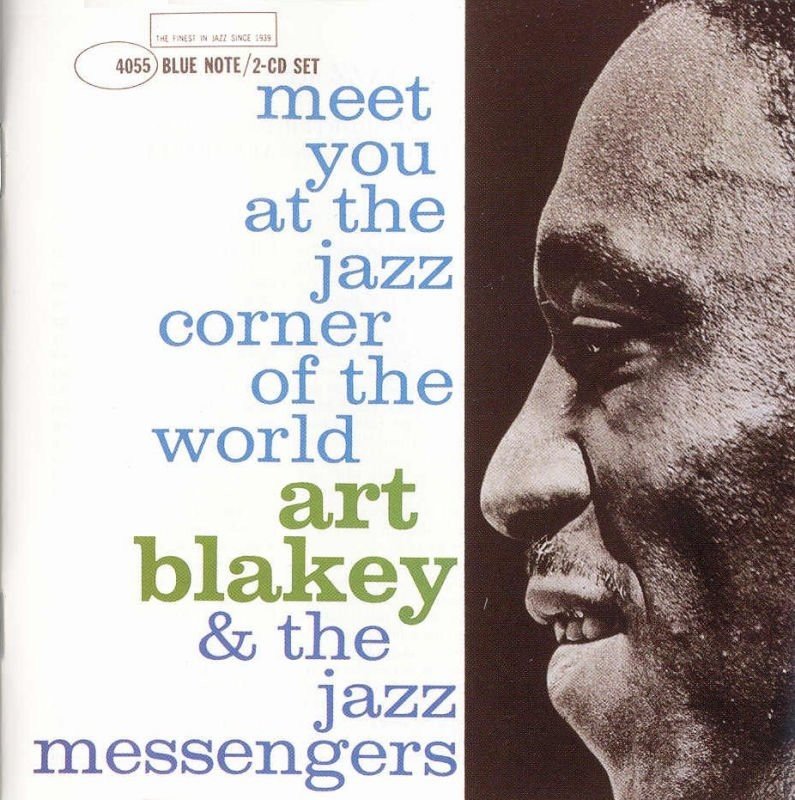
Os setenta anos da lendária editora de jazz continuam a ser celebrados da melhor forma possível, ou seja, comprando música. No fim-de-semana, trouxe do sítio do costume mais três excelentes exemplares da Colecção The Rudy Van Gelder Edition a €7.95 cada.
O destaque de hoje vai para Somethin’ Else de Cannonball Adderley
Produzido por Alfred Lion, foi gravado em Março de 1959. Miles Davis, trompete – Cannonball Adderley, saxofone alto – Hank Jones, piano – Sam Jones, baixo e Art Blakey, bateria Vídeos das Faixas: Autumn Leaves (J.Kosma-J.Mercer), Love For Sale (Cole Porter), Somethin’ Else (Miles Davis), One For Daddy-O (Nat Adderley), Dancing In The Dark (A.Schwartz-H.Deitz) e Bangoon (Hank Jones)
CULTURGEST – 19 DE MAIO DE 2009, 21h30 · Grande Auditório
O canadiano Paul Bley nasceu em 1932 em Montreal onde, desde muito novo, recebeu formação clássica em música. Em 1950, mudou-se para Nova Iorque, onde começou a sua carreira como pianista de jazz.
“Paul Bley, a master of modernist purposes… has worked with more first-rate, wide-ranging original musical minds than anyone, except Miles Davis…”
Charlie Parker – Sonny Rollins – Ben Webster – Charles Mingus – Lester Young – Chet Baker – Steve Swallow – Gary Peacock – John Scofield – Gary Burton – Pat Metheny – Paul Motion – John Surman – Charlie Haden – Lee Konitz – Bill Evans – Cecil Taylor – Ornette Coleman, fazem parte da short list de jazzmen com quem tem tocado e gravado, ao longo da sua longa carreira.
Ligado à vanguarda do jazz dos anos de 1960, sendo um dos seus elementos mais activos. Foi igualmente precursor na utilização do sintetizador, tendo dado o primeiro concerto da história com esse instrumento em 1969 no Philarmonic Hall de Nova Iorque. Em meados da década de 1970, com a artista de vídeo Carol Goss, iniciou uma colaboração pioneira entre músicos de jazz e artistas de vídeo.
O seu primeiro disco de piano solo foi gravado em 1972 para a editora ECM.
Paul Bley apresenta-se, desde há muitos anos, em concertos por todo o mundo, a solo ou com formações muito diversas, tocando composições suas, standards, ou lançando-se em solos espontâneos, improvisados no momento.Via.
Jos d'Almeida é um compositor de música electrónica épico sinfónica, podendo este género ser também designado como Electrónico Progressivo. Na construção de um som celestial, resultante da fusão de várias correntes musicais, JOS utiliza os sintetizadores desde o início dos anos 80.
Chuck van Zyl
Chuck van Zyl has been at his own unique style of electronic music since 1983. His musical sensibilities evoke a sense of discovery, with each endeavor marking a new frontier of sound.








 António Branco Almeida
 Ana Margarida Lopes



 Visita Guiada
 O Universo Numa Casca de Noz
