Archive for the ‘ Pintura ’ Category
De Albert Gleizes [8 Dezembro 1881 – 23 Junho 1953], teórico e pintor francês que foi um dos fundadores do cubismo e influenciou a Escola de Paris, a obra Composition pour “Jazz” (1915) pertence ao período em que as pinturas de Gleizes se tornaram abstractas.
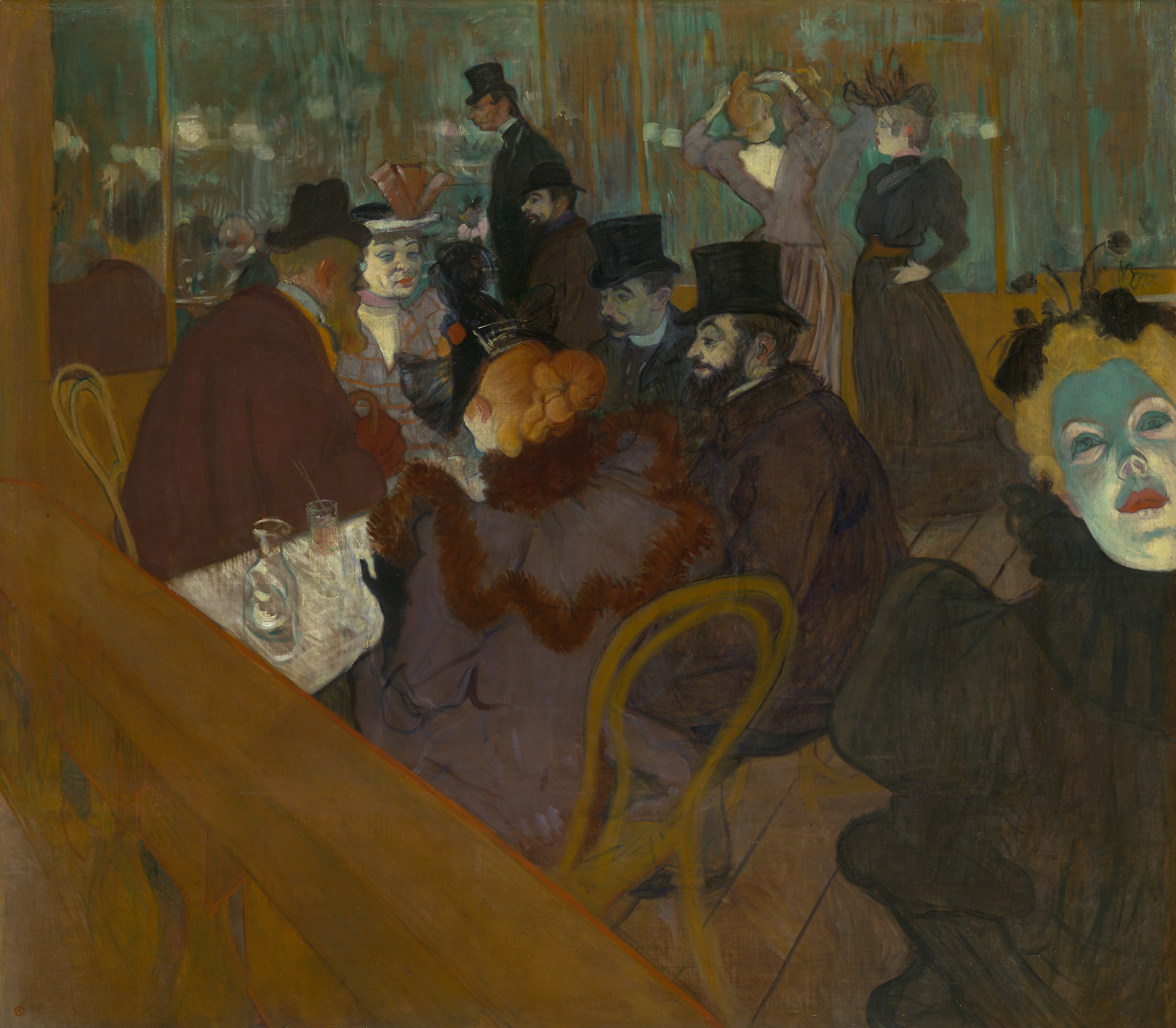
Toulouse-Lautrec [24 Novembro 1864 – 9 Setembro 1901] tinha um particular gosto em retratar a vida colorida, glamorosa e por vezes decadente dos Cafés e dos Teatros parisienses em finais do século XIX, bem ilustrada neste ‘Au Moulin Rouge’ de 1892/95. A sua ligação ao famoso Café parisiense vinha desde a sua inauguração, em 1889.
No centésimo octogésimo aniversário do nascimento de Claude Monet [ 14 Novembro 1840 – 5 Dezembro 1926], ‘Nymphéas Bleus'(1914-1917).
Em 1918, Monet escrevia: «Je suis l’esclave du (travail) chechant toujours l’impossible (…), je n’ai plus longtemps à vivre et il me fault consacrer tout mon temps à la peinture, avec l’espoir d’arriver enfin à faire quelque chose de bien.»
Paul Signac [11 Novembro 1863 – 15 Agosto 1935]
Notre-Dame-de-la-Garde (La Bonne-Mère), Marseilles, 1905–6
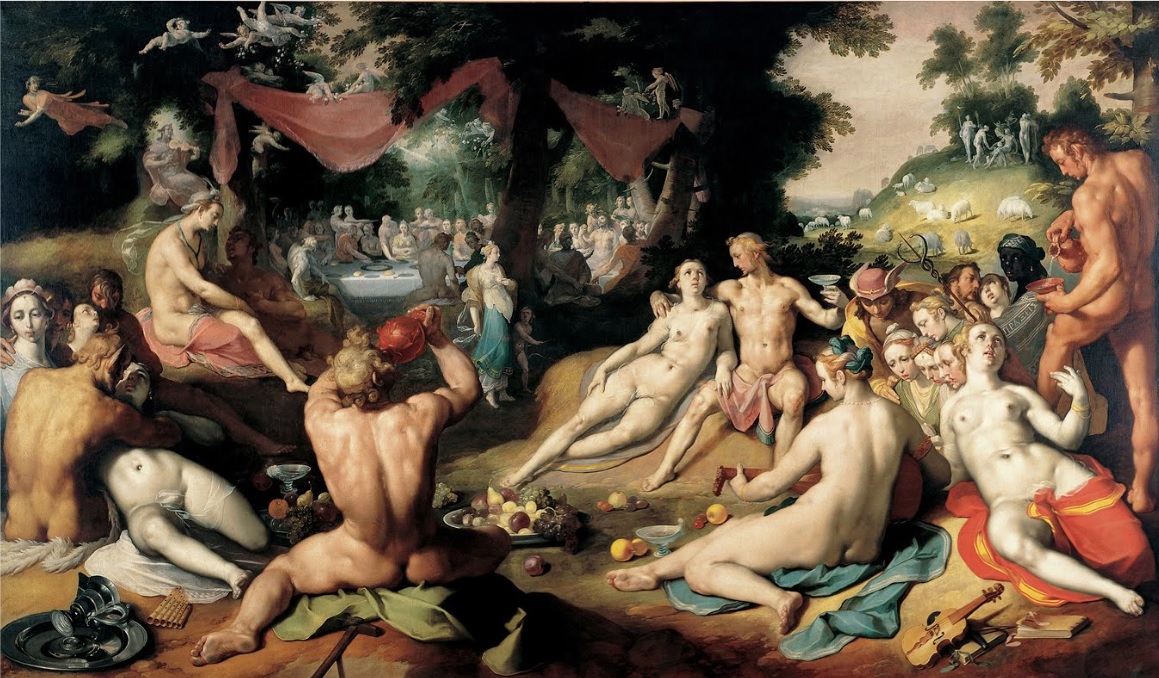
Cornelis van Haarlem [1562 – 11 Novembro 1638], pintor da Idade de Ouro Holandesa e um dos principais Maneiristas de Haarlem.
A classical story of the gods: the wedding of the sea goddess Thetis and the human Peleus, to which all the gods were invited except Eris, the goddess of discord. In revenge she threw (above left) a golden apple (of discord) ‘for the most beautiful’ of the goddesses present. The shepherd Paris was asked to choose among them (above right): Hera, who promised him wealth, Athena, who offered wisdom, and Aphrodite, who promised him the most beautiful woman in the world: Helen of Troy. Paris’ choice of Aphrodite was the indirect cause of the Trojan War. The painting was intended as a warning against discord: the city commissioned it for the stadholders’ guest-residence in Haarlem, the Prinsenhof. Via Frans Hals Museum.