Arquivo por Autor
Sir John Kenneth Tavener [1944-2013]
Sobre a sua música, disse John Taverner:
“Quis produzir música que fosse o som de Deus. Foi sempre isso que tentei fazer”
“Dentro da Cabeça de Charles Swan III”, de Roman Coppola
Roman Coppola veio ao LEFFEST apresentar o seu segundo filme, “Dentro da Cabeça de Charles Swan III”. Após a projecção no Cinema Monumental, tive oportunidade de lhe pedir para falar um pouco da relação com Charlie Sheen; Teriam 10 ou 11 anos quando se conheceram durante as filmagens de Apocalypse Now nas Filipinas, porque as famílias Coppola e Sheen partilhavam o Set. As brincadeiras de miúdos passavam por fantasias com gore scenes, heads cut and lots of blood…
No Facebook do Lisbon & Estoril Film Festival está o vídeo com a entrevista de Paulo Branco no Centro de Congressos do Estoril.

Pedro António Avondano, por Rosana Lanzelotte
Da selecção musical da segunda emissão do programa Histórias de Portugal, destaque para o Allegro, interpretado pela cravista Rosana Lanzelotte. A peça, integrante da sonata em dó maior do compositor português Pedro António Avondano (1714-1782), foi executada num cravo absolutamente invulgar, instrumento de autoria de José Calisto e considerado um dos tesouros mais raros das colecções do National Music Museum.
Jimmy P. – Realidade e Sonho, de Arnaud Desplechin
Após a Segunda Guerra Mundial, Jimmy P., um índio Blackfoot que lutou em França, é admitido no hospital militar de Topeka. Na ausência de causas fisiológicas, é-lhe diagnosticada esquizofrenia. É durante o tratamento que Jimmy conhece o antropólogo e psicanalista francês Georges Devereux, especializado em culturas nativas americanas.
Com Benicio de Toro e Mathieu Amalric | França, 2013 – 117 minutos
Dia 10 de Novembro, Cinema Monumental
Inside Llewyn Davis, dos Manos Coen
Um músico tomado pela melancolia consegue passar ao lado da carreira e da vida, mesmo quando Akron está ali ao lado. Já Oscar Isaac (Drive, Robin Hood, Ágora) não passou despercebido aos irmãos Coen que, em mais uma brilhante direcção de actores, lhe oferecem o melhor desempenho da sua carreira. A graciosa Carey Mulligan mantém o olhar doce de Drive e afirma-se como uma das melhores actrizes da sua geração. Ainda que a folk music não seja um dos meus géneros musicais de eleição, Inside Llewyn Davis entra directamente para o meu top five da filmografia destes dois mestres do cinema contemporâneo.
25ª Edição da Temporada “Música em São Roque”
A 25ª edição da Temporada de Música em São Roque organizada pela Santa Casa da Misericórdia de Lisboa arranca já esta sexta-feira, dia 8 de novembro, às 21h30, na Igreja de São Roque com a actuação do Coro Gulbenkian sob a direcção do maestro Jorge Matta.
Clique na imagem para descarregar o Programa.

Esta Temporada de Música que vai dar especial destaque às obras dos compositores portugueses inclui 10 espectáculos. À divulgação da música, associa-se este ano, a descoberta do património cultural com a realização de concertos em cenários históricos. Pela primeira vez, o Mosteiro de Santos-o-Novo e a Igreja do Convento da Encarnação abrem portas aos concertos que, com entrada livre e gratuita, decorrerão até 1 de Dezembro.
Simultaneamente estão também previstas visitas guiadas gratuitas aos diferentes espaços que acolherão os espectáculos musicais , bem como sessões de declamação de poesia.
O maestro Filipe Carvalheiro, diretor artístico da temporada manifesta o seu regozijo pelo “trabalho desenvolvido pelos musicólogos na pesquisa da música portuguesa”.
Um exemplo é o tema “A Doce Irmã do Sono” a interpretar pelo Grupo Vocal Olisipo.
Destacam-se também os concertos “Música Policoral na Capela Real e Patriarcal de Lisboa no Século XVIII”, pelo agrupamento luso-brasileiro Americantiga programado para a Igreja de São Roque, no dia 9 de novembro e as “Vésperas Solenes para o Nascimento de São João Baptista para a Igreja de São Roque” pelo Ludovice Ensemble, em primeira audição moderna mundial, a 23 de novembro.
Para assinalar os 25 anos desta iniciativa, alargou-se pela primeira vez publicamente a programação desta temporada a todos os músicos que nela pretendessem participar, o que permitiu recolher um número recorde de candidaturas. Entre as 105 propostas apresentadas a concurso, foram selecionados agrupamentos e solistas de renome como a pianista Sofia Lourenço, a Capella Duriensis ou o Quarteto Vintage.
Concerto a quatro mãos em São Vicente de Fora
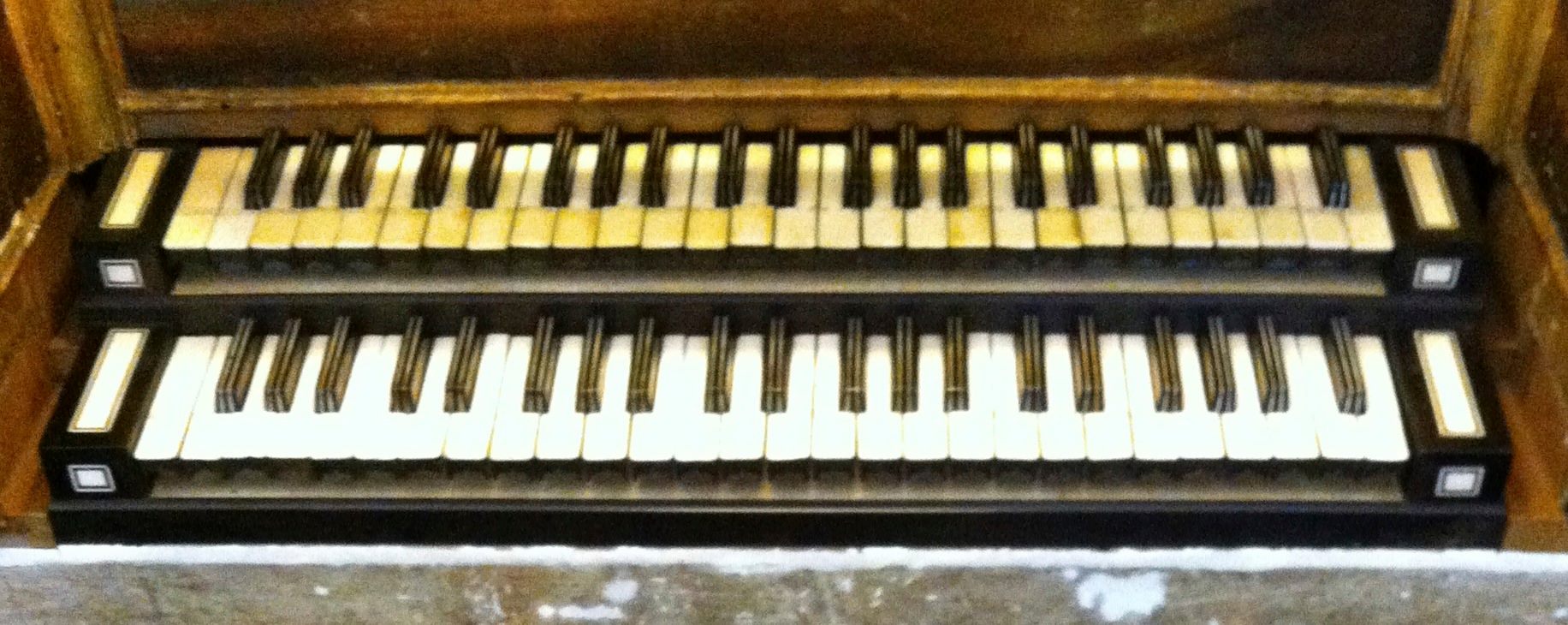
No próximo dia 9 de Novembro pelas 17h00 tem lugar o terceiro e penúltimo concerto de mais um ciclo de órgão na Igreja de São Vicente de Fora.
Do programa, merecem destaque as peças para quatro mãos de Ramón Ferreñac, executadas pelas organistas Inês Machado e Margarida Oliveira. A não perder!
Programa:
Margarida Oliveira* e Inês Machado**, órgão João Fontanes (1765)
RAMÓN FERREÑAC (1763-1832) – Sonata em sol mayor de clarines para órgano a cuatro manos
ANDRÉS DE SOLA (1634-1696) – Tento de medio registro de mano derecha de 1º tono*
FÉLIX MÁXIMO LÓPEZ (1742-1821) – Sonata em Dó menor* | Allegro moderato
SEBASTIÁN DURÓN (1660-1716) – Gaitilla de Mano Izquierda**
JOSÉ LIDÓN (1748–1827) – Sonata de 1er tono**
RAMÓN FERRENAC – Rondó em sol mayor [para órgano a cuatro manos]
Reservas e informações através de info@althum.com – 919 745 338, ou via facebook.
“Histórias de Portugal”
Ao longo de 13 emissões, com início no primeiro domingo de Novembro às 13h00, o novo programa de Virgínia da Silva Veiga na Antena 2 será recheado de acontecimentos da Idade Média relacionados com o reino português, mas também com os de Aragão, Castela e Leão.
O intuito da autora, ao promover o orgulho em Portugal e em ser português, contribuir para o gosto por um passado por vezes surpreendente, torna o programa numa referência obrigatória na rádio nacional.

Relatam-se cultos antigos, como os de Santa Maria de Rocamador, São Pedro de Rates ou da Senhora do Ó, numa abordagem a envolver diferentes localidades portuguesas e dos reinos hoje espanhóis, de Aragão, Castela e Leão. Episódios protagonizados por personagens como Isabel de Aragão – cuja verdadeira figura física é abordada – ou a poderosíssima irmã de D. Dinis, D. Branca Afonso, mãe solteira. Também o nunca investigado filho desta, personagem a marcar presença nos reinos de Castela e Leão onde foi Mestre da Ordem de Calatrava. Pelo caminho das muitas revelações, ficar-se-á a melhor saber a razão pela qual El Libro de la Coronación – um manual de referência na coroação dos reis de Espanha – elaborado no Século XIV, hoje acervo de El Escorial, é de iniciativa portuguesa, tal como tudo aponta sê-lo o Códex Las Huelgas, fonte da musicologia medieval.
Gentes, terras e Arte medievais unidas “de ũu coraçom”, para tudo se sintetizar na frase de um dos historiadores a marcar presença logo na primeira emissão: D. Pedro Afonso, Conde de Barcelos.
Virgínia da Silva Veiga
“Amália por Júlio Resende”
“No final, isto é um disco de música e espero que vá ter ao lugar que lhe pertence, que é o do coração, não o do intelecto.” — Júlio Resende.
Este delicioso ‘negrume’ é desde já um dos acontecimentos musicais de 2013!
The Universe in a Nutshell

TAG LIST
- Videos
- John Coltrane
- Cubismo
- José Bento
- Jazz
- Renascimento Italiano
- HIGH-RES
- Antena 2
- FCG
- Renascimento
- Miles Davis
- Música Sacra
- Exposições
- Le Petit Prince
- Museu do Prado
- Barroco Francês
- Blue Note Records
- Johann Sebastian Bach
- João Chambers
- Fotografia
- Renascença
- Museu Thyssen
- Jordi Savall
- Barroco Italiano
- Impressionistas
- Hard Bop
- Pablo Picasso
- Barroco Alemão
- Musica Aeterna
- Barroco

Fondation Louis Vuitton
Du 09/04/25 au 31/08/25

Musée Jacquemart-André
À partir du 19 mars 2025

Tate Britain, London
Guest House
- 1.181.200 visitors
Calendário Cósmico
NASA’s James Webb Space Telescope

Mars Perseverance Rover

Painéis de S. Vicente — A casa do restauro

Música em São Roque

FESTIVAL DE MÚSICA ANTIGA DE TORRES VEDRAS


Festival Internacional de Música da Póvoa de Varzim

Cistermúsica 2020

Categorias
Arquivo de Posts
Últimos Posts
- ‘Il bianco e dolce cigno’, de Jacques Arcadelt
- ‘Jouissance vous donnerai’, de Claudin de Sermisy
- ‘Alleluia: Lobet den Herren’, de Heinrich Schütz
- ‘Memories of Home’, de John Scofield e Dave Holland
- 80 anos de Dave Holland, lenda viva do jazz
- A volta ao mundo de John Coltrane em seis discos
- 35 anos da morte de Miles Davis
- 380 anos da morte de Duarte Lobo
- 70 anos de ‘Round Midnight’
- ‘Quatro Figuras e Um Cubo’, de Oskar Schlemmer
 António Branco Almeida
 Ana Margarida Lopes


Visita Guiada
 Visita Guiada é um programa de televisão e de rádio que dá a conhecer o Património Cultural português.

