boa pinta
 Lisboa & Co. – 2006
Exposição de Pintura e Artes Plásticas da Pintora Sofia Leitão no Espaço «O Século – Centro Cultural» – O SÉCULO
Inaugura amanhã e pode ser visitada até 22 de Dezembro, das 14.00 às 20.00 Horas.
Archive for the ‘ Exposições ’ Category
Lisboa & Co. – 2006Exposição de Pintura e Artes Plásticas da Pintora Sofia Leitão no Espaço «O Século – Centro Cultural» – O SÉCULO
Inaugura amanhã e pode ser visitada até 22 de Dezembro, das 14.00 às 20.00 Horas.
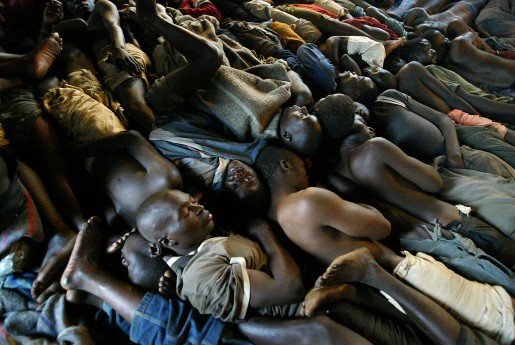
Na Prisão de Maula em Lilongwe, Malawi, centenas de reclusos dormem amontoados no chão.
Estão tão apertados, que só se podem mexer quando um recluso designado para o efeito dá a ordem para se virarem todos ao mesmo tempo.
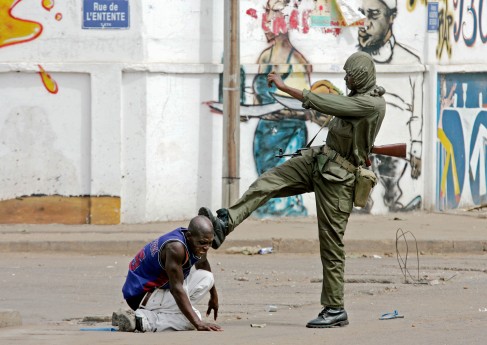
Faure Gnassingbe, filho do mais antigo ditador africano, Gnassingbe Eyadema, foi eleito presidente de Togo em Abril de 2005. Num autêntico golpe militar, o exército colocou-o no lugar do pai, após a morte deste em Fevereiro.
A oposição organizou um protesto minutos após a eleição e as ruas da capital Lome encheram-se de barricadas.
Os confrontos com as forças militares estão à vista.
A longa guerra-civil na Libéria e o tumulto político deram finalmente lugar a eleições em 2005 e a uma relativa estabilidade. Do conflito resultaram inválidos que representam cerca de 16% da população, entre os quais cerca de 77.000 cegos, consequência ou de sub-nutrição ou porque não foram tratados a tempo.
World Press Photo 2006 e Prémio Visão Fotojornalismo 2006, no Centro Cultural de Belém, até dia 22 de Outubro.
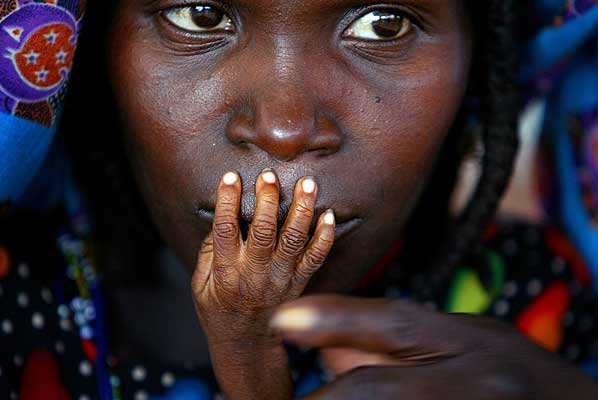 Alassa Galisou, um bébé subnutrido, aperta os dedos contra os lábios do mãe, Fatou Ousseini, num Centro de alimentação de emergência para refugiados em Tahoua, no noroeste da Nigéria. Em 2004, uma das piores secas dos últimos tempos, associada a uma praga de gafanhotos destruiu as colheitas, deixou milhões de pessoas sem meios de subsistência.
As fortes chuvas prometeram boas colheitas para 2005, mas retardaram a chegada de auxílio. As Nações Unidas e o Ocidente foram acusados pela resposta tardia a esta iminente crise humanitária . Apenas algumas semanas antes desta fotografia, tirada a 1 de Agosto de 2005, os líderes do G8 tinham decidido erradicar a pobreza em África, duplicando a ajuda até 2010.
Prémio World Press Photo 2005
Finbarr O’Reily (Canadá) – Agencia Reuters

Young Abu, de sete anos, abotoa a camisa do pai num abrigo para amputados, perto de Freetown, Serra Leoa.
Os braços de Abu Bakarr Kargbo foram cortados pelos rebeldes da Frente Unida Revolucionária, aquando do ataque à cidade em 1999.
Cerca de 50.000 pessoas foram mortas e milhares mutiladas na guerra civil entre o Governo e as forças rebeldes, entre 1991 e 2002.
Cortar mãos ou braços tornou-se a imagem de marca dos rebeldes, de modo a espalhar o terror entre os seus inimigos.
Em 2004 foi finalmente estabelecido um acordo de paz e constituido um tribunal de guerra.
Antigos combatentes de ambos os lados beneficiaram de programas de reintegração social, mas pouco foi feito pelos amputados.
Primeiro prémio de historias contemporâneas individuais – Yannis Kontos, Greece, Polaris Images
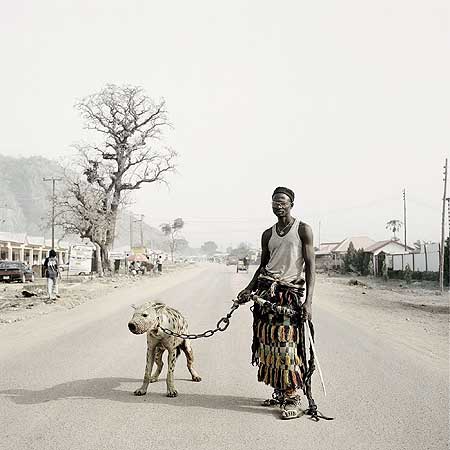
Mallam Galadima Ahamadu, que passeia a hiena Jamis nas ruas de Abuja, Nigéria, faz parte de um grupo que viaja pelo norte do país com três hienas, duas pitons e quatro macacos;
Trabalham como artistas e vendem ervas medicinais, muito procuradas.
As hienas – treinadas para atacar, o que atrai as multidões – são capturadas em estado selvagem e treinadas durante meses para interagir com os humanos e outros animais, sem os atacar.
Mallam e os seus companheiros alimentam as hienas com uma cabra em média cada três dias – o que ajuda a mantê-las calmas – e borrifa-as com água, pois estes animais não se dão bem com o calor excessivo.
Primeiro prémio de retratos individuais – Pieter Hugo, África do Sul, Corbis
 Samar Hassan chora, segundos depois tropas dos EUA dispararem e matarem os seus pais, num incidente em Tal Afar, no norte do Iraque, em Janeiro de 2005.
Os soldados abriram fogo, depois do carro dirigido pelo pai de Samar não ter parado quando se aproximou da patrulha.
Na declaração do exército americano leu-se que as tropas tentaram parar o carro acenando com as mãos e efectuando tiros de advertência, antes de dispararem directamente para o carro, matando o motorista e o passageiro do banco da frente.
Cinco dos irmãos de Samar estavam no carro com ela: Os seis sobreviveram, embora o irmão Racan tivesse ficado gravemente ferido.
Os soldados de EUA prestaram os primeiros socorros às crianças antes de as levarem para o hospital mais próximo.
Segundo prémio na categoria foto-notícia – Chris-Hondros, USA, Getty-Images
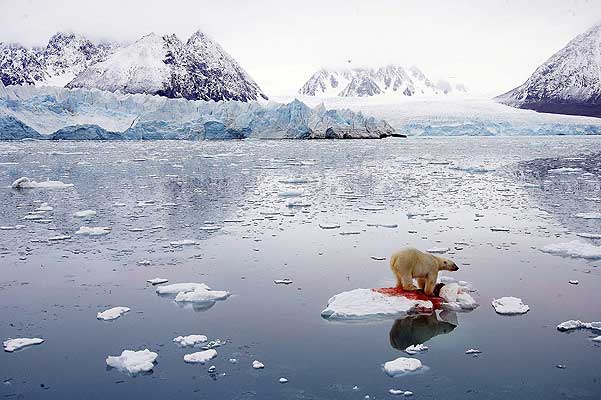
Um urso polar come uma foca em cima de uma pequena ilha de gelo, perto do glaciar de Mónaco, na costa noroeste de Svalbard (Spitsbergen), Noruega.
Os ursos polares alimentam-se de focas principalmente nos meses de verão, servindo-se dos pedaços de gelo que se separam das plataformas, para capturar as presas.
Sendo uma espécie potencialmente ameaçada, o urso-polar, protegido desde 1973 por fortes restrições à caça no Ártico, viu a sua população na região de Svalbard aumentar de 1000 para cerca de 3000.
Segundo prémio na categoria Natureza-singulares – Pål Hermansen, Noruega, para Orion Forlag-Getty Images.
World Press Photo 2006 e Prémio Visão Fotojornalismo 2006, no Centro Cultural de Belém, até dia 22 de Outubro.
O Museu Nacional de Arte Antiga acolhe a Exposição Grandes Mestres da Pintura Europeia: De Fra Angelico a Bonnard | Colecção Rau – 18 de Maio a 17 de Setembro
Como aqui havia referido, inaugura amanhã a consensualmente considerada mais importante Exposição do ano em Portugal.
A visita, para ser perfeita, deve incluir – se possível – um almoço no magnífico jardim do Museu.
Sobre as obras expostas, ver também este, este e este posts.

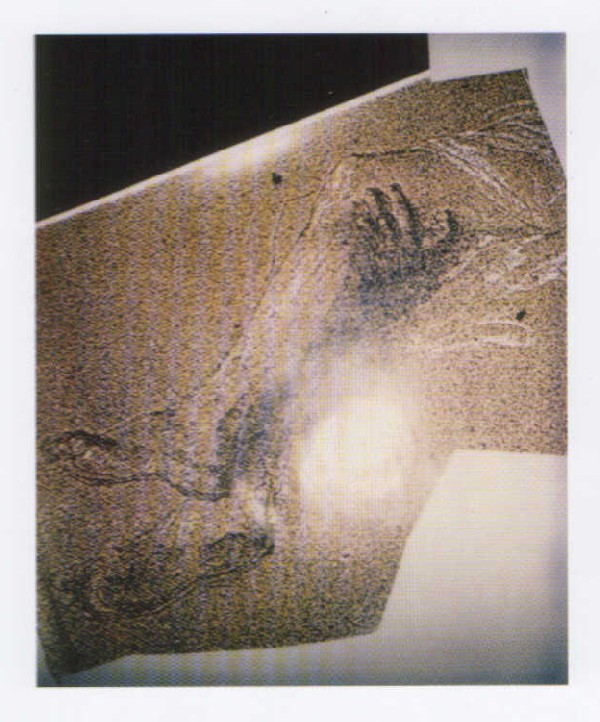
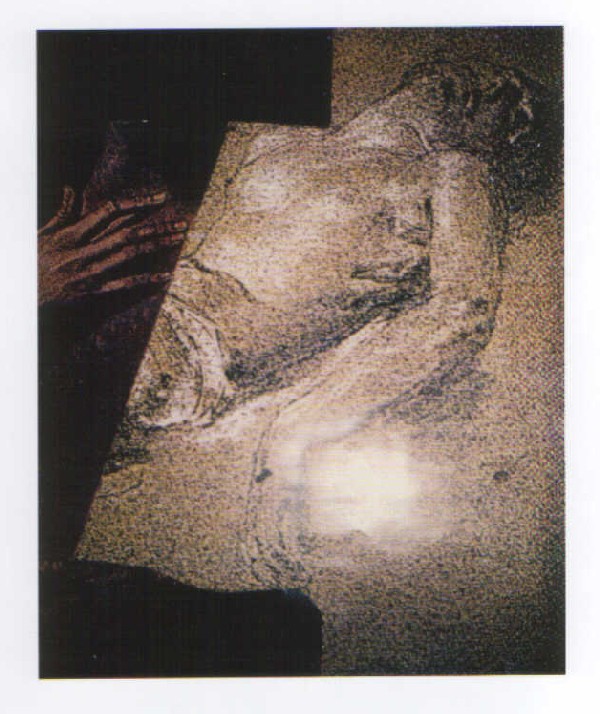
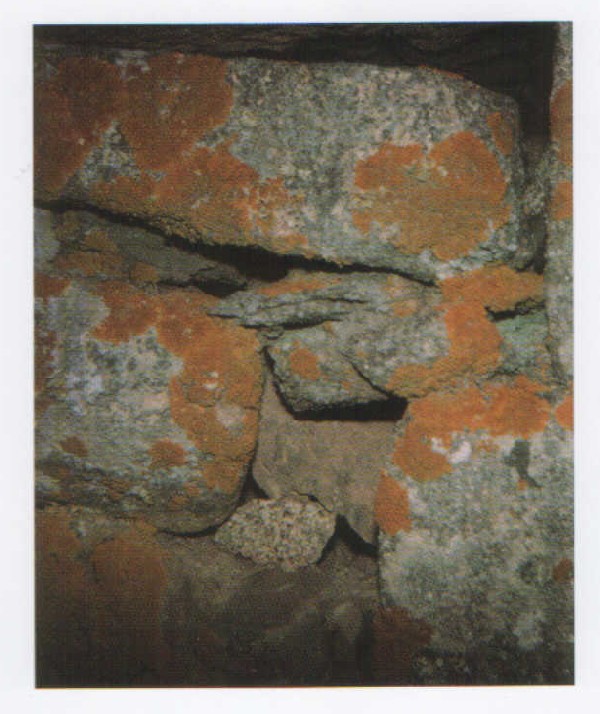
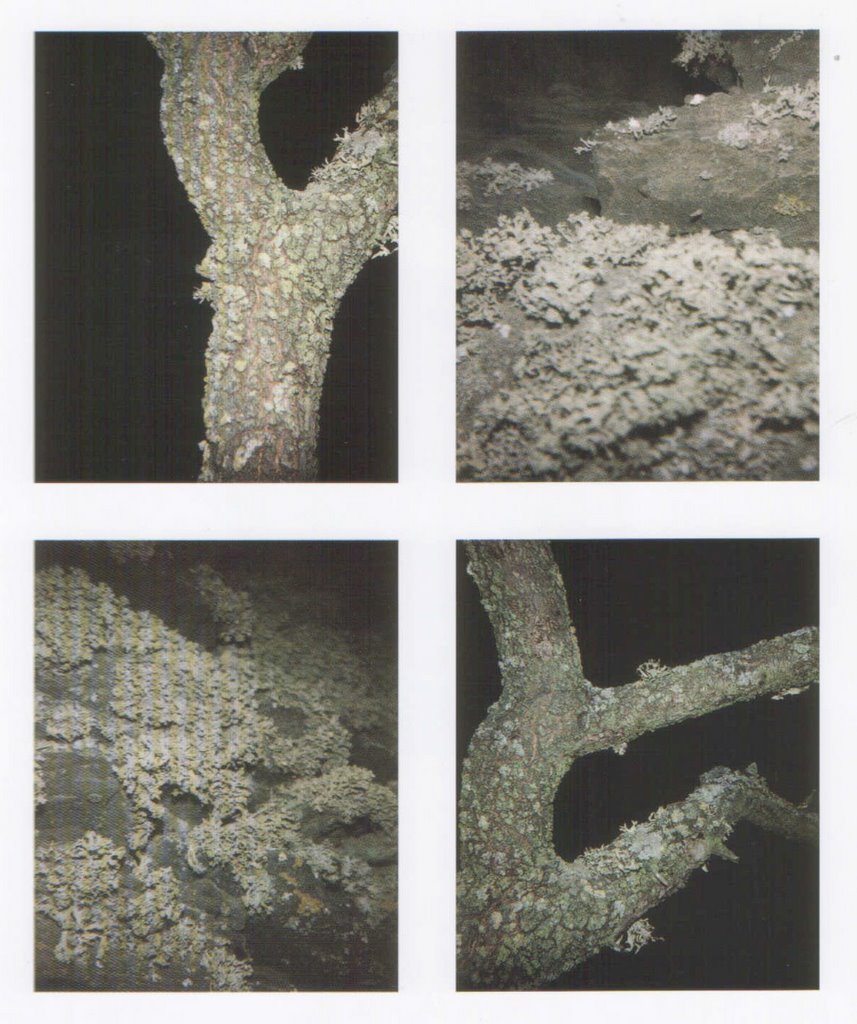
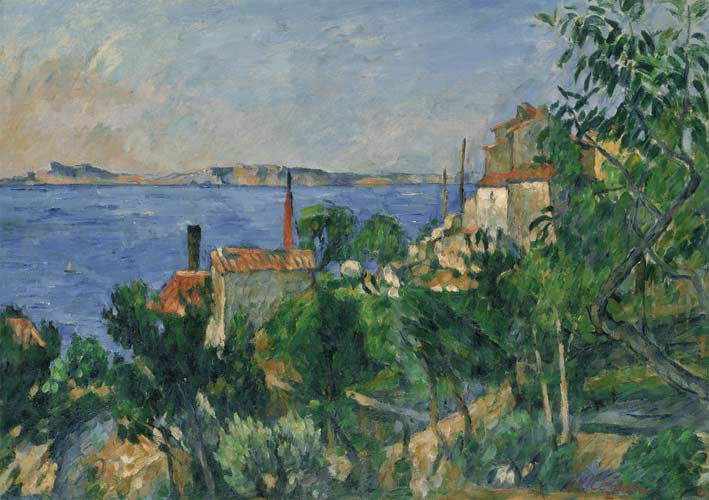
Será talvez uma oliveira, talvez não.
Se for oliveira, então evoca a luz, a imortalidade, a relação cósmica, a morte e o monte famoso.
No MNAA, até ao próximo Domingo
Clique nas imagens para ampliar
Como já havia referido aqui – embora o período da exposição tenha sido alterado -, decorre até 23 de Outubro no Centro Cultural de Belém a World Press Photo 05. A Galeria dos Vencedores pode ser visitada aqui.
O conjunto de imagens que se segue resulta naturalmente de uma escolha pessoal; ou porque a imagem me tocou, ou pelo contexto em que foi captada ou, ainda, pelas notas que tirei durante a visita.
Os textos originais que acompanham as fotos desempenham um papel significativo no enquadramento do trabalho destas pessoas no nosso quotidiano, bem como um espaço de reflexão. Como sempre.
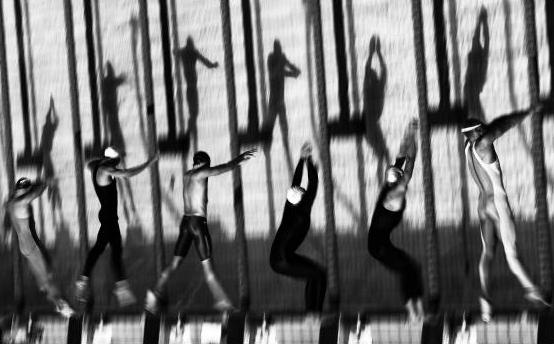 Sports Features: 1st prize singles – Adam Pretty, Australia, Getty Images
 Ian Thorpe of Australia starts from lane four and Pieter van den Hoogenband of the Netherlands from lane five, during the heats of the men’s 200m freestyle at the Olympic Games in Athens in August.
Both were tipped to win the event. Thorpe beat the Dutch swimmer by 0.10 seconds in the heat, and went on to beat him again in the final, breaking an Olympic record in the process.
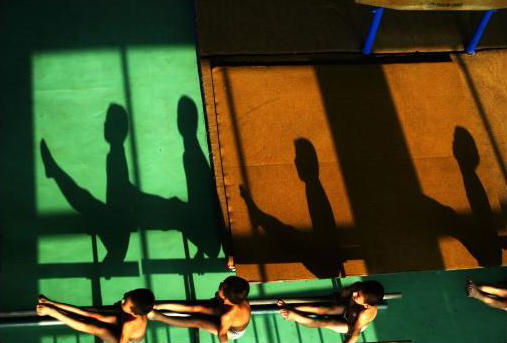 Sports Features: 3rd prize stories – Qiu Yan, People’s Republic of China, Wuhan Evening News.
 Some 140 children, from four to ten years old and coming from all over China, study at the Li Xiaoshuang Gymnastics School in Xiantao, in central China’s Hubei province.
Chinese Olympic gold medallists Li Xiaoshuang, Yang Wei and Zheng Liwei all studied at this academy. Training is arduous, but China’s success in Olympics-level gymnastics has encouraged greater numbers of parents to send their offspring to this and similar sports schools.
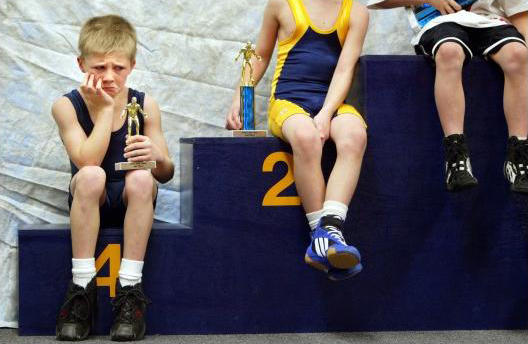 Sports Features: 3rd prize singles – Renée Jones, USA, Star Tribune.
Jimmy Cates, 8, of Prior Lake, Minnesota, is placed fourth out of four competitors in his first wrestling tournament, at Prior Lake High School, in January.
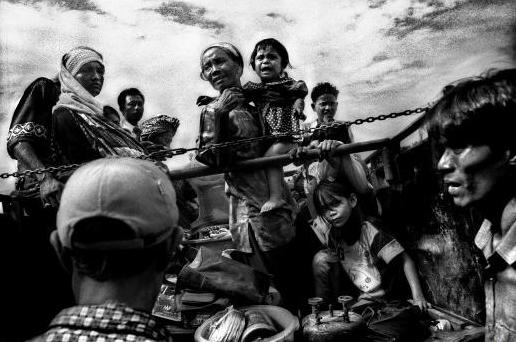 Spot News: 1st prize stories – Dean Sewell, Australia, Oculi/Agence Vu.
 The Indonesian province of Aceh, on the western tip of Sumatra, was closest to the epicenter of the December 26 earthquake that unleashed massive tidal waves in the region, and bore the full brunt of the destruction. Over 70 percent of the inhabitants of some coastal villages in Aceh lost their lives as a result of the tsunami.
In Indonesia as a whole more than 110,000 people were killed, and over 800,000 made homeless. International aid organizations had long been denied access to Aceh because of ongoing conflict between Indonesian security forces and separatist rebels, but once the scale of the disaster became clear, the government relaxed restrictions.
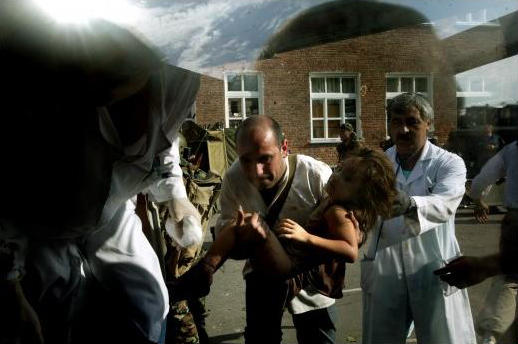 Spot News: 2nd prize stories – Yuri Kozyrev, Russia, Time Magazine.
 On September 1 a group of Chechen militants occupied School Number One in the town of Beslan, in the neighboring Russian province of North Ossetia. They herded 1,221 teachers, parents and pupils into the school gymnasium, and set up bombs and booby traps to prevent any surprise attack, issuing a series of demands that included withdrawal of Russian troops from Chechnya and the release of prisoners.
After two days of negotiations, bombs inside the school were detonated, in circumstances that were unclear, killing many hostages instantly. Russian special forces stormed the building. School Number One was liberated, but 338 people were dead, more than half of them children.
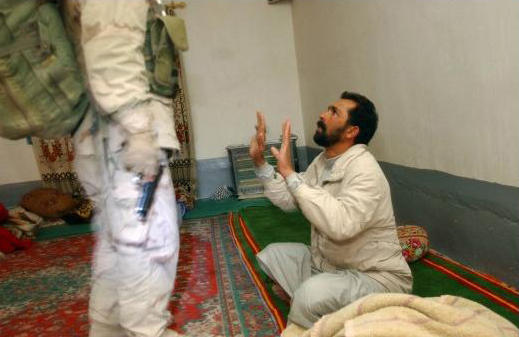 Spot News: 3rd prize stories – Geert van Kesteren, The Netherlands, for Newsweek Magazine.
 Conflict between insurgents and coalition forces in Iraq continued throughout the year. Opposition ranged from anti-American demonstrations, to guerilla activity and open confrontation.
The military responded with raids on homes thought to harbor insurgents, and full-scale attacks on dissident strongholds.
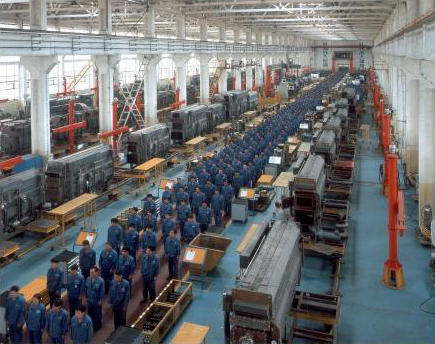 Contemporary Issues: 1st prize stories – Michael Wolf.
 In recent years China has grown to become the world’s fifth largest exporter of merchandise, and has one of the world’s fastest growing economies.
A huge influx of migrant workers is required to meet demand in city factories.
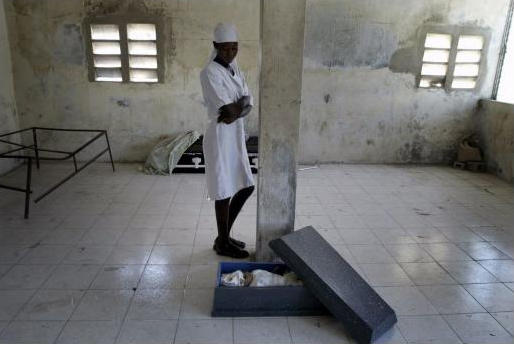 People in the News: 3rd prize singles – Shaul Schwarz, Israel, Corbis.
 A mother stands beside her dead baby in a makeshift morgue at the hospital in Gonaïves, Haiti, in February. The hospital had been closed since rebels revolting against President Jean-Bertrand Aristide had taken control of the city early in the year.
The baby had been born shortly before fighting began, and had not received any hospital care. Unrest in Haiti had been growing ever since disputed election results in 2000, with Gonaïves as a particular flash point, and both sides blaming each other for the violence. Law and order broke down in many places, with looters ransacking stores, businesses, government buildings and hospitals.
 Portraits: 1st prize stories – Adam Nadel, USA, Polaris Images.
 Around two million people fled their homes, and at least 150,000 were thought to have died, as a result of violence that had affected the Darfur region of Sudan since early 2003.
Rebel groups such as the Sudan Liberation Army (SLA) and the Justice and Equality Movement (JEM) claimed that Sudan’s government was oppressing black Africans in favor of Arabs.
The government was accused of lending support to Arab militias such as the Janjaweed, which rebels said was conducting ethnic cleansing in the Dafur area.
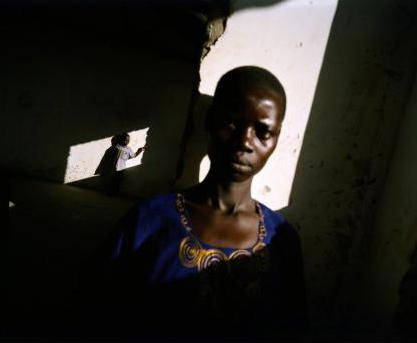 Portraits: 1st prize singles – Francesco Zizola, Italy.
 Lilian, 23, was kidnapped from her village in Uganda by rebel fighters of the Lord’s Resistance Army (LRA) when she was 12 years old. The Ugandan government has been unable to end insurgency by the LRA in the region, and rebels have killed or kidnapped many thousands of people.
After a week-long march across the border into Sudan, Lilian was given as a bush-wife to a rebel commander, who raped her that night. She bore her first child, a son she named Oryema, when she was 14. Lilian stayed with the rebels for 11 years, and participated in fighting against the Sudan Liberation Army, which allegedly has the backing of the Ugandan government. When Oryema was nine, she escaped with him during an attack by the Ugandan army, and fled back across the border to a shelter for former girl soldiers.
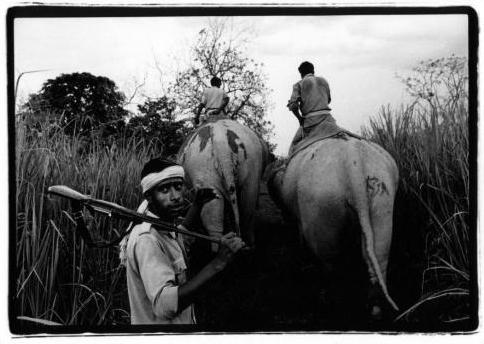 Nature: 2nd prize stories – Patrick Brown, Australia, Panos Pictures.
 Asian wildlife is being plundered and trafficked on an unprecedented scale. It is estimated that wildlife traders export 25,000 to 30,000 primates every year, along with millions of birds, reptiles and tropical fish.
The animals are kept as pets, and their body parts used for decoration, or for medicinal and magical purposes. Small-time local poachers are caught and jailed, but more powerful, organized traffickers often operate unhindered due to official corruption and inertia.
 Nature: 2nd prize singles – Pierre Holtz, France, Reuters.
Senegalese children run through a swarm of locusts in the capital, Dakar, on September 1. The locust invasion was the worst West Africa had seen for 15 years. By October, swarms reached as far afield as Crete, Cap Verde and Lebanon, devastating millions of hectares of crops. Adult locusts can consume their own weight in vegetation every day, stripping fields bare in seconds. Aid agencies said that the locusts had destroyed up to a third of the crop in African countries affected by the plague. The swarms were so large that usual methods of driving them off, such as banging steel pans and burning tires, were ineffective. Paradoxically, good rains in 2004, which led to healthy harvests, also created the ideal conditions for the locusts to breed faster.
Como já havia feito referência, a World Press Photo começa hoje!
E porque hoje é sexta-feira*, três sugestões de leitura:
Noite Americana (via À Deriva), Inimigo Público e – já agora – Boião de “Cultura”.
* Desculpa roubar-te a ideia para o título. Posso pagar em género.. feminino?

World Press Photo of the Year
Na foto, tirada pelo fotógrafo indiano Arko Datta – Reuters, em Tamil Nadu no dia 28 Dezembro, uma mulher indiana chora um parente morto no tsunami asiático.

Spot news stories – segundo lugar
Yuri Kozyrev da Time Magazine estava no local onde ocorreu o ataque terrorista à escola de Beslan, na Ossétia do Norte – Rússia

Spot news singles – segundo lugar
Um jovem looter nas ruas de Port-au-Prince – Haiti, foi captado pelo fotógrafo israelita Shaul Schwarz – Agência Corbis, em Fevereiro de 2004.

General news stories – segundo lugar
Paolo Pellegrin da Agência Magnum cobriu o funeral do líder palestino Yasser Arafat

General news singles – segundo lugar
David Robert Swanson do The Philadelphia Inquirer retrata um soldado americano durante uma emboscada no Iraque, em 6 Abril de 2004.

Daily life singles – segundo lugar
Foto de uma menina a jogar basquetebol em Ohio. A menina pertence à velha congregação alemã Irmãos Baptista.
Por Krisanne Johnson – US News & World Report

Nature singles – primeiro lugar
Jahi Chikwendiu do The Washington Post captou esta imagem durante uma tempestade de areia no Chade.

Arts and entertainment stories – primeiro lugar
Foto tirada num desfile de moda primaveril, pelo sueco Lars Tunbjörk – Agence Vu.
A visitar, a edição de 2004 da World Press Photo – Centro Cultural de Belém, Lisboa.
De 8 de Setembro a 2 de Outubro.
Embora já conhecesse as fotografias, acabei por deixar para o último dia a visita ao CCB para ver a World Press Photo 2004, a exposição de fotojornalismo mais importante a nível mundial.
Este ano, claramente marcada (mais uma vez) pelas guerras, e principalmente pelas suas vítimas.
São imagens que nos entram todos os dias em casa, e que por isso se tornam vulgares aos nossos olhos.
Nunca podem é deixar-nos indiferentes, os momentos que captam o horror, o sangue, a morte! E isto, só na fotografia perdura!
Na impossibilidade de fazer um álbum, pela sua previsível extensão, deixo aqui alguns registos representativos de acontecimentos marcantes, como a magnífica foto de Blair e Bush, curiosamente tirada na véspera da entrada das tropas aliadas em Bagdad.
pc: deixei por traduzir as legendas, que de algum modo se tornam desnecessárias.

Lu Guang, China
First prize: Contemporary issues – stories
In the mid-1990s, poor peasants in Henan province in eastern China sold their blood for 50 yuan a pint, enough to buy two bags of fertilizer. As a result of unsafe procedures, large numbers were infected with the HIV virus. In some villages up to 40 per cent of the inhabitants are seropositive, but for a long time have been isolated from care. Organized help from local health authorities is getting underway, but many people do not have the money to go to hospital and are cared for by family and friends. Some families have sold almost everything valuable in their home to help meet expenses.

Jean-Marc Bouju, France
World press photograph of the year
An Iraqi man comforts his four-year-old son at a holding center for prisoners of war, in the base camp of the US Army 101st Airborne Division near An Najaf, southern Iraq, on March 31. The boy had become terrified when, according to orders, his father was hooded and handcuffed. A US soldier later severed the plastic handcuffs so that the man could comfort his child. Hoods were placed over detainees’ heads because they were quicker to apply than blindfolds. The military said the bags were used to disorientate prisoners and to protect their identities. It is not known what happened to the man or his son.

Nick Danziger, UK
First prize: Portraits – singles
US president George W. Bush and British premier Tony Blair make eye contact in one of the few moments they did not have aides at their sides, in Hillsborough Castle, Northern Ireland, on April 8, a day before American troops entered Baghdad. The coalition that conducted the air and land attack on Iraq the previous month comprised almost entirely British and American forces. Britain’s support for the American-led operation had caused a rift with other European Union countries, most notably Germany and France.

Carolyn Cole, USA
Third prize: People in the news – singles
Bodies are placed in a mass grave in Liberia at the beginning of August, on the day that peacekeeping forces arrived. Civil conflict had wracked Liberia for more than a decade, claiming up to 250,000 lives, and leading to half a million internally displaced people and around 320,000 in exile. In August, Nigerian peacekeepers arrived, followed by US troops. President Charles Taylor left the country, and an interim administration was set up from October under Gyude Bryant. US troops later withdrew, and the UN launched a major peacekeeping mission, beginning to disarm former combatants.

Noël Quidu, France
First prize: Spot news – stories
Liberia has been wracked by on-off civil war since the 1980s. In March 2003, rebels had advanced to within 10 kilometers of the capital Monrovia, and by July fighting had intensified and government and rebel militia were battling for control of the city. After intervention of UN and US forces in August, rebels signed a peace accord and President Charles Taylor left the country.
Vou começar por colocar uma foto do Alexander Hassenstein da Alemã Bongarts Sportfoto, que teve o terceiro prémio na categoria sports action.
O “artista”, Thomas Morgenstern na World Cup Skijumping, Kuusamo – Finlândia, traz-me à memória uma aventura que tive neste mesmo local há coisa de um ano, em que por mero acaso fui com um companheiro de ocasião parar a uma negra!
Pela quantidade de trambolhões que dei durante a descida – parecia que nunca mais acabava, deu para ter uma ideia do gozo que deve ser malhar a esta velocidade! A repetir…!


| S | T | Q | Q | S | S | D |
|---|---|---|---|---|---|---|
| 1 | 2 | 3 | 4 | 5 | ||
| 6 | 7 | 8 | 9 | 10 | 11 | 12 |
| 13 | 14 | 15 | 16 | 17 | 18 | 19 |
| 20 | 21 | 22 | 23 | 24 | 25 | 26 |
| 27 | 28 | 29 | 30 | |||


 Visita Guiada é um programa de televisão e de rádio que dá a conhecer o Património Cultural português.


 António Branco Almeida
 Ana Margarida Lopes


 O Universo Numa Casca de Noz